
Your guide to understanding SIBO and IMO
Medically reviewed by Dr. Dan Wool, NMD
Arizona-licensed Naturopathic Physician and Gastroenterology Specialist
Updated: September 25, 2026
Quick Summary:
Small intestinal bacterial overgrowth (SIBO) involves too many hydrogen-producing bacteria and usually drives diarrhea. Intestinal methanogen overgrowth (IMO) involves methane-producing organisms that slow gut transit, causing constipation or incomplete bowel movements. Hydrogen Sulfide (H2S) SIBO is a third type. All can cause bloating, gas, nutrient deficiencies, and symptoms that often get labeled IBS.
Overgrowth rarely starts on its own. Stress that slows the movement of food through your gut, structural changes in the intestine, low stomach acid, and a diet heavy in fermentable carbohydrates all set the stage. Finding which of these is driving your case is what makes relief last.
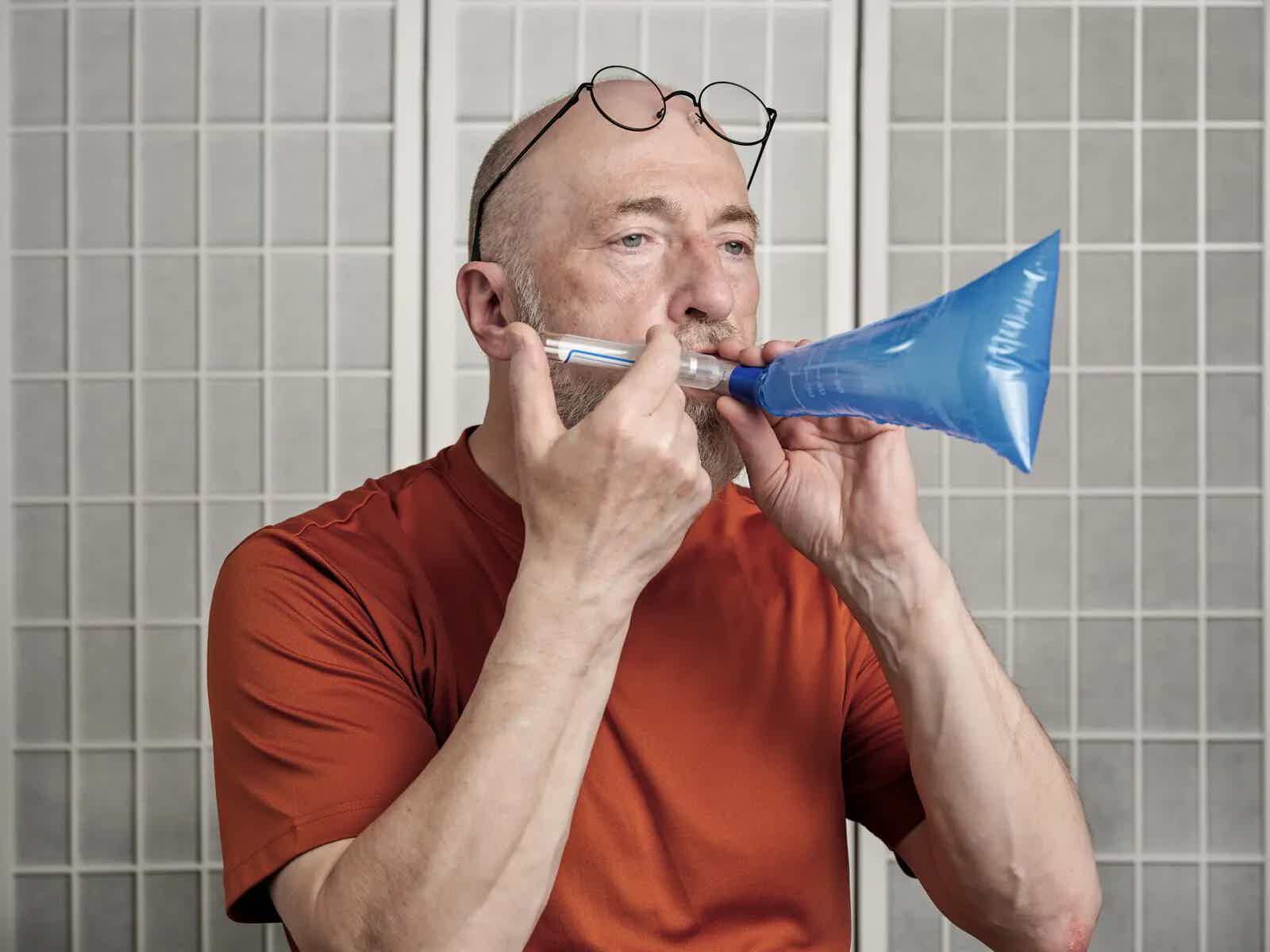
A breath test is the standard starting point. You drink a lactulose or glucose solution, breathe into collection tubes over a few hours, and the lab measures hydrogen and methane. In rare cases, a doctor samples fluid directly from the small intestine during an endoscopy.
Options include prescription antibiotics such as rifaximin (often combined with neomycin when methane is high) or herbal antimicrobials. In my practice, clearing the overgrowth is one phase of care. Low-FODMAP or SCD diet changes, prokinetics to restore motility, and follow-up visits help keep it from coming back.
SIBO / IMO Overview
Small Intestinal Bacterial Overgrowth (SIBO) and Intestinal Methanogen Overgrowth (IMO) are disorders of the digestive system in which there is excessive presence of microorganisms in the intestines.
While SIBO refers to the overgrowth of hydrogen-producing bacteria in the small intestine, IMO is an overgrowth of methane-producing organisms, essentially archaea, along the length of the digestive tract.
These conditions have uncomfortable and often have overlapping symptoms such as bloating, abdominal pain, gas, and irregular bowel movements (IBS-D and IBS-C).
A third type, hydrogen sulfide (H2S) SIBO, involves bacteria that convert hydrogen into hydrogen sulfide gas. It tends to cause diarrhea, and for years it went undetected because standard breath tests could not measure it.
SIBO and IMO explain so much to GI sufferers and has a prescribed, very helpful treatments. But the conditions themselves are merely diagnoses and not root causes and can be relapsing and remitting.
This guide will discuss SIBO and IMO and their causes, symptoms, diagnosis, and treatment options. Let's get into it!
Understanding the Basics of SIBO and IMO
What is SIBO?
SIBO is the result of the overgrowth of bacteria that mainly colonizes the small intestines, impairing digestion and absorption of food and nutrients.
Bacteria can expel gaseous waste the same just like we do. In SIBO, the bacteria are often Hydrogen producers (think Hindenburg (blimp) - Oh the humanity!) and often cause severe gas and bloating.
There is a newer cause of SIBO that links similar symptoms to an overgrowth of Hydrogen Sulfide (H2S) bacteria producers, for which we can also now test (see the H2S section below).
It also can cause IBS-D, irritable bowel syndrome with diarrhea. Since this has historically has been a "diagnosis of exclusion" (i.e. if doctors can't figure out the cause like an infection - they call it IBS-D and give palliative treatments). SIBO as a relatively new cause avenue, has led to treatments that can resolve the diarrhea, giving patients renewed hope.
What is IMO?
IMO is caused by the overgrowth of methane-producing microorganisms, especially Methanobrevibacter smithii.
This microorganism is unique since it uses hydrogen gas produced by other bacteria to make methane gas. Production of methane gas has a different impact on the intestines and tends to slow transit time, often leading to constipation (IBS-C) rather than the active diarrhea seen with SIBO.
Because of how the bacteria produce methane (i.e. from hydrogen), it can also present a mixed IBS picture (IBS-M); many patient report not diarrhea or constipation per se but frustratingly incomplete bowel movements.
What is Hydrogen Sulfide (H2S) SIBO?
Hydrogen sulfide SIBO is caused by an overgrowth of bacteria that turn hydrogen gas into hydrogen sulfide.
The main players include sulfate-reducing bacteria such as Desulfovibrio and other H2S producers such as Fusobacterium. Hydrogen sulfide is the gas behind the rotten-egg smell, so many patients notice gas with a strong sulfur odor.
Like the methane producers in IMO, these bacteria feed on hydrogen made by other microbes.
What changes is the end product and how it affects the gut. In a 2022 study of IBS patients, people with diarrhea-predominant IBS had higher breath hydrogen sulfide, and those levels tracked with higher amounts of Desulfovibrio and Fusobacterium in their stool.[1]
Patients with an H2S pattern often describe diarrhea, urgency, and a need to stay close to a bathroom.
H2S SIBO flew under the radar for years because the standard breath test measures only hydrogen and methane.[5] When H2S producers use up the available hydrogen, a two-gas test can look normal in a patient who is clearly symptomatic. I see this often in patients who were told their SIBO test was negative and were sent home with an IBS-D diagnosis.
Did You Know?
Up to 80% of irritable bowel syndrome (IBS) cases may be linked to SIBO or IMO.
Causes of SIBO
Some of the major causes of bacterial overgrowths include:
Nervous system mismatch: The most common cause I see in clinic is a mismatch between sympathetic nervous system ("fight or flight") and parasympathetic nervous system ("rest and digest"). Eating and digesting when under stress directly affects our intestinal motility. When the body is under stress, it wants to delay digestion until after the stress is over, allowing food to stagnate or ferment.
Disorders of Intestinal Motility: Conditions like irritable bowel syndrome, diabetes, and scleroderma can delay the movement of food and waste down the small intestine. This stasis allows bacteria to multiply.
Abnormalities in Structure: Surgical alteration in the passage of food through the gastrointestinal tract, as performed during gastric bypass or bowel surgery, causes blind loops that become favorable for bacteria and help them to multiply.
Reduced Stomach Acid: The stomach acid plays a vital role in killing bacteria in food, serving as a barrier against bacterial overgrowth. When stomach acid levels drop, often due to proton pump inhibitor drugs (PPIs) or aging, this defense weakens, allowing more bacteria to survive and reach the intestines.
Other factors that may increase the risk for SIBO include immune system deficiencies, chronic pancreatitis, and diseases that affect the normal movement or motility of the gut.
Causes of IMO
In addition to the above, IMO may be caused by:
Altered Gut Motility: Slowed transit due to IBS or due to a motility disorder, such as SIBO, also plays a role in IMO.
Gut Microbiome Imbalance: The growth of methanogen is fueled by an imbalance of hydrogen-producing bacteria in the gut, leading to excessive methane.
Nutritional Factors: High intake of fermentable carbohydrates provides methanogens and hydrogen-producing bacteria with a food source for overgrowth.
Causes of H2S SIBO
The motility, structural, and stomach acid factors above apply here too. Two additional factors are specific to hydrogen sulfide producers:
Dietary Sulfur and Protein: Sulfate-reducing bacteria need sulfur to make hydrogen sulfide. A controlled feeding study found that raising dietary protein, particularly from meat, increased sulfide production in the large intestine.[3] High-protein diets, sulfur-rich foods, and some sulfur-based supplements can all add fuel.
Hydrogen Supply: H2S producers depend on hydrogen made by other bacteria. An existing hydrogen overgrowth gives them more raw material, which helps explain why hydrogen and H2S can show up together on the same test.
Symptoms of SIBO and IMO
Both SIBO and IMO can present a variety of digestive and non-digestive symptoms, which often makes it challenging to distinguish between the two. Common symptoms include:
Digestive Symptoms: Bloating, abdominal discomfort, excessive gas, and changes in bowel habits. SIBO is more often associated with diarrhea, whereas IMO more frequently results in symptoms of constipation.
Nutrient Deficiencies: Impaired absorption can result in deficiencies of key nutrients, such as vitamin B12, iron, and fat-soluble vitamins, leading to malnutrition symptoms like fatigue and weakness.
Non-digestive symptoms can include anything from brain fog down to joint pain, skin issues such as acne, rashes, or even mood conditions. This underlines how gut imbalance affects general health.
SIBO vs. IMO vs H2S: Key Symptom Differences
While many symptoms are shared between both conditions, differences can be used to help the clinician select a diagnostic test and decide treatment options, some are more common with each type, specifically:
SIBO: Mainly causes diarrhea due to the accelerated gut transit induced by hydrogen gas production.
IMO: Most often, it leads to constipation, as methane production reduces the motility of the intestines.
H2S: Most often linked to diarrhea and urgency, frequently with foul, sulfur-smelling gas.[1]
SIBO and IMO Diagnosis
Accurate diagnosis of SIBO and IMO is crucial, as their symptoms can often be confused with other gastrointestinal conditions, like IBS or inflammatory bowel disease (IBD). Standard diagnostic methods include:
1. Breath Testing
Both SIBO and IMO are commonly diagnosed using a non-invasive breath test. This involves the patient drinking a sugary solution (lactulose or glucose), followed by the collection of breath samples at regular intervals usually every 20 minutes over 3 hours.
The levels of exhaled hydrogen and methane gases are then measured to assess the presence of the conditions.
SIBO: For this, an increase in hydrogen by segregated breath testing of greater than 20 parts per million ppm within 90 minutes will suggest SIBO; the bacteria in the small intestine ferment the sugar, producing hydrogen.
IMO: In this case methane above 10 ppm at any time is considered IMO, owing to the presence of methanogenic archaea.
H2S: Measuring hydrogen sulfide requires a newer three-gas breath test, such as trio-smart, which measures hydrogen, methane, and hydrogen sulfide in the same sample. The lab's reference range flags H2S at 3 ppm or higher at any point during the test. On an older two-gas test, one clue is a hydrogen line that stays unusually flat while symptoms point strongly toward diarrhea.
Mixed: Both of the above can also be positive together
2. Small Intestine Aspirate and Culture (Rare)
Although invasive, this is considered the "gold standard" in diagnosing SIBO and on what initial studies were based. A sample of small intestine fluid is obtained to test for bacterial overgrowth. This would involve an endoscopy, which is done less frequently clinically since it is invasive and more expensive.
3. Additional Tests
Other diagnostic tests may be needed: blood tests, which can investigate deficiencies of vitamins, or stool tests for fat malabsorption, which can give an idea of the degree of malabsorption and nutritional deficiencies occurring due to SIBO or IMO. Imaging tests to diagnose structural abnormalities in the gastrointestinal tract that may promote the development of the condition are also employed.
When to consider SIFO (yeast): When breath testing comes back negative, or symptoms return quickly after successful treatment, small intestinal fungal overgrowth (SIFO) is worth considering. SIFO is an overgrowth of fungi in the small intestine, most often Candida, and it causes many of the same symptoms as SIBO.[4] Breath tests cannot detect it, which makes it easy to miss. Learn more in my guide to small intestinal fungal overgrowth.
Treatment Options for SIBO and IMO
Treatment generally ranges from reducing microbial overgrowth and restoring gut function to managing symptoms. The general outlines of several common approaches to the treatment of SIBO and IMO include the following:
1. Antibiotic Therapy
The most common antibiotic used to treat SIBO is Rifaximin (Xifaxan). Because methane-producing organisms are less responsive to rifaximin, it is usually prescribed alone with neomycin or metronidazole to stop methane production and bacterial overgrowth. Note: It is highly recommended to seek professional help before using any medication especially antibiotics.
For H2S SIBO: Rifaximin remains a common starting point. In my practice I often add bismuth for patients with an H2S pattern, because bismuth binds hydrogen sulfide in the gut. In a study of healthy volunteers, bismuth subsalicylate reduced hydrogen sulfide release in the colon by more than 95 percent.[2] That research looked at the colon, and studies specific to H2S SIBO are still early, so treat this as a conversation to have with your practitioner. Read more in my article on bismuth and gut health.
Pros and cons of Rifaximin (Xifaxan):
Pros:
It generally works well.
Gut friendly. Unlike other antibiotics that can wreak havoc on the gut, Xifaxan digests up high where the overgrown bacteria reside in the small intestine and doesn't;t generally affect the GI tract lower than that.
It's quicker than alternatives. Xifaxan/rifaximin is a 14 day anti-biotic course (three times daily).
Cons:
It can be expensive. Xifaxan is a branded, on-patent medication. I've seen costs as high as $2800 for the two week course. It's important to find a practitioner who can arrange $0 co-pay, which generally requires submission of chart notes with an IBS-D diagnosis and list of prior treatments tried for it.
The SIBO can reoccur. Gastroenterologists generally prescribe medications, assume that will solve the problem, send you off and that's that. (Many also do not breath test for SIBO). However, sometimes, when you get rid of SIBO quickly, it can reoccur quickly. It takes an experienced provider to develop a maintenance plan to make sure that doesn't happen. Follow-up is imperative.
2. Herbal Antimicrobials
Due to cost or gut tolerability, using natural herbal antimicrobials presents an effective alternative.
The most common herbal antimicrobials used for SIBO include:
Oregano Oil: It is produced for its extensive antimicrobial action.
Allicin is derived from garlic: It is effective specifically against methane-producing archaea.
Berberine and Neem: These potent antimicrobials act against bacterial overgrowth.
Note: Herbs are medicinal! Even for herbal alternatives consult your healthcare provider.
The herbal route is more gentle and often more effective than antibiotics, but it takes about 30 days vs. 14 days with xifaxan.
Whether antibiotic or herbal, these are part of a "kill" or "reduction" phase in SIBO treatment; it is important to not simply stop after any antibiotic treatment; healing the gut is a process and there are other phases necessary over the subsequent months.
3. Dietary Changes
In managing SIBO and IMO, diet is very important because some foods can feed the bacteria and worsen these symptoms. Common dietary approaches include:
Low-FODMAP Diet: There is a reduction of fermentable carbohydrates, known as FODMAPs, to limit the fuel for bacteria, leading to the overgrowth of bacteria and archaea.
Specific Carbohydrate Diet: This is a specific carbohydrate diet specialized in limiting certain carbohydrates that might be fermented by bacteria in the intestines, hence reducing symptoms and overgrowth.
Elemental Diet: A liquid diet only, easily absorbed nutrition that starves the bacteria and digests up high in the gut, providing some rest lower down. For severe cases or failure of other treatments.
Lower-Sulfur Diet (H2S): For patients with an H2S pattern, I often recommend a temporary reduction in sulfur-rich foods such as red meat, eggs, and cruciferous vegetables, along with sulfur-based supplements. This limits the raw material H2S bacteria need.[3] It works best as a short-term tool with a clear plan for reintroducing foods, since many of these foods support long-term gut health.
4. Probiotics and Prebiotic
While probiotics are promising in managing gut health, they should be used cautiously in SIBO and IMO because they can sometimes exacerbate symptoms, especially in the early phases of treatment.
Some strains, such as Lactobacillus and Bifidobacterium, may be better tolerated; conversely, prebiotics are strictly avoided because they feed the bacteria and can exacerbate symptoms.
5. Prokinetics
The prokinetic drugs stimulate intestinal movement, facilitating the clearance of bacteria from the small intestine and avoiding recurrence.
These are not advised in the initial phase of SIBO treatment as they can exacerbate IBS-D. They should be reserved for a subsequent phase to help heal damage in the migrating motor complex (MMC) - the regulatory nerves that regulate motility. Commonly used prokinetics in this phase are:
Ginger: It acts as a natural prokinetic and helps to reduce nausea and bloating.
Low-Dose Erythromycin: Commonly given at bedtime to stimulate the MMC.
SIBO & IMO: Managing Symptoms and Lifestyle Changes
Meticulous attention to symptom management and support of a healthy lifestyle is integral to long-term success in SIBO and IMO treatment.
Fasting and Meal Timing: Scheduling meals at least 3-4 hours apart allows the MMC to clear bacteria between meals. Intermittent fasting-for example, every night between 10 pm and 10 am, a 12- to 16-hour fast-can also stimulate the MMC, thereby reducing risk of bacterial build-up.
Stress management: Stress may affect the gut and worsen symptoms of SIBO or IMO via the gut-brain axis (it may also have caused the problem in the first place! (see above)). Deep breathing, meditation, and other exercises, such as yoga, may improve gut function and symptom management.
Staying hydrated: Adequate water intake improves digestion and may help an IMO patient prevent constipation. Drink about half your weight in ounces of water per day, and add fiber-rich unfermentable fiber (for constipation) to assist bowel movements.
Complications of Untreated SIBO and IMO
Both SIBO and IMO can lead to further health complications, such as:
Nutritional Deficiencies: The chronic overgrowth results in the poor absorption of important vitamins and minerals, which includes vitamin B12, Vitamin D, iron, and other nutrients.
Leaky Gut Syndrome: Overgrowth of bacteria may lead to damage of the intestinal lining, enabling toxins and undigested minute particles to pass into the bloodstream, causing possible inflammation through the system. Both SIBO and IMO are associated with IBS, especially the constipation-predominant form (IBS-C).
Preventing Recurrence of SIBO and IMO
Recurrence is common in both conditions; thus, preventive strategies play a considerable role in SIBO and IMO. Long-term use of prokinetics maintains gut motility and prevents migration of bacteria to the small intestine, hence recurrence.
Maintenance Diet: Depending on the modification, the low-FODMAP or SCD diets can be utilized post-treatment to prevent the overgrowth of bacteria. Limiting sugar and refined carbohydrates reduces the fuel for bacteria and minimizes chances of relapse.
H2S Maintenance: For patients who tested positive for H2S, I usually keep protein intake moderate and bring sulfur-rich foods back gradually after treatment, watching for a return of urgency or sulfur-smelling gas.
Follow-up: Regular follow-up visits monitor signs and symptoms and nutrient levels so that early intervention can be done if the symptoms persist.
The Bottom Line on SIBO / IMO / H2S
Small Intestinal Bacterial Overgrowth (SIBO) and Intestinal Methanogen Overgrowth (IMO) are complex but manageable conditions with the help of a professional. It is a place where naturopathic philosophy shines and makes a meaningful difference in healing.
Understanding the causes, symptoms, and treatment options for SIBO or IMO can help you take control of your digestive health. While treatment often involves a combination of antibiotics, dietary changes, and lifestyle adjustments, staying proactive about prevention is equally important.
Treatment often takes several months and should be phased depending on where the patient is at. It is critical to find a provider who can customize care to your specific state, properly guide you, and understand the totality of treatment options.
With a balance in life and close interaction with the right health care providers, symptoms can be minimized, nutrient absorption enhanced, and healthy digestion is more easily maintained for patients with SIBO and IMO.
Gut Health Deserves More Than a Lifetime of Treatments
Dr. Wool's Gut Repair Plan starts with extended visits, specialty testing conventional workups rarely include, and a treatment plan built around root cause rather than symptom management.
See if we're a fit → Book a 15-minute call with Dr. Wool. No cost, no obligation.
https://www.drdanwool.com/booking
Disclaimer:
The information provided on this page is for educational purposes only and is not intended as medical advice, diagnosis, or treatment. Dr. Dan Wool nor his affiliates do not make claims about the effectiveness of supplements, peptides, hormones or other therapies outside of the contexts supported by cited clinical evidence and regulatory approval. Always consult a qualified healthcare provider before starting, changing, or stopping any medical or wellness program.
Related reading:
The 4-Rs of SIBO Treatment → https://www.drdanwool.com/blog/4rs-sibo-treatment
Rifaximin and Recurrent SIBO → https://www.drdanwool.com/blog/rifaximin-xifaxan-sibo
SIFO Guide → https://drdanwool.com/blog/small-intestinal-fungal-overgrowth-sifo
Bismuth and Gut Health → https://drdanwool.com/blog/bismuth-gut-health-biofilm
Gut Health: What it is and How it breaks down → https://www.drdanwool.com/blog/gut-health-what-it-is-and-how-it-breaks-down
Frequently Asked Questions about SIBO, IMO, and H2S SIBO
Why does my SIBO keep coming back after treatment?
Quick Answer: Treatment clears the overgrowth, but whatever allowed it to grow is often still in place.
Full Answer: Nearly half of patients see SIBO return within nine months of antibiotic treatment.[6] The usual drivers are an impaired migrating motor complex, which sweeps bacteria out between meals, along with eating under stress, surgical adhesions, ongoing acid-blocker use, and returning to a high-FODMAP or processed diet too fast. In my practice I work in three phases: clear the overgrowth, repair the gut lining and stomach acid, then maintain with prokinetics, meal spacing, and stress management.
How long do I need to stay on a low-FODMAP diet?
Quick Answer: Most patients follow a strict version for 4-8 weeks during active treatment, then reintroduce foods step by step.
Full Answer: The restrictive phase limits fuel for the overgrowth while antimicrobials work. After a negative retest, I reintroduce one food group at a time to find each patient's tolerance. Some people are eating broadly again within 2-3 months; others need 6-12. Fixing motility, stress, and stomach acid is what lets the gut handle variety again. I dislike long-term restriction, so the goal is always a broad, sustainable diet.
Are herbal antimicrobials as effective as Xifaxan (rifaximin)?
Quick Answer: For many patients, yes. A 2014 study found herbal protocols performed as well as rifaximin.
Full Answer: In that study, 46% of patients on herbs had a normal follow-up breath test, compared with 34% on rifaximin.[7] Herbs take about 30 days instead of 14 and require strict compliance. Rifaximin can cost around $2,800 without assistance, though manufacturer copay programs can bring that down sharply. Patients in my practice often start herbs while copay paperwork is pending. For severe IBS-D, rifaximin through your primary care doctor or gastroenterologist may be the fastest route.
What is the difference between SIBO, IMO, and hydrogen sulfide SIBO?
Quick Answer: Each type is named for the gas the overgrowth produces: hydrogen, methane, or hydrogen sulfide.
Full Answer: Hydrogen SIBO tends to cause diarrhea. IMO is driven by methane-producing organisms that slow transit and cause constipation. Hydrogen sulfide SIBO is linked to diarrhea, urgency, and sulfur-smelling gas.[1] The type shapes treatment. Methane often calls for combination antimicrobials, and hydrogen sulfide may respond to bismuth and a lower-sulfur diet. A three-gas breath test can identify all three in one sitting.
Can a SIBO breath test come back negative even if I have SIBO?
Quick Answer: Yes. Standard tests measure only hydrogen and methane, and no breath test detects fungal overgrowth.
Full Answer: When hydrogen sulfide bacteria use up the available hydrogen, a two-gas test can look normal in a patient with real symptoms. A three-gas breath test closes that gap. If testing is negative but symptoms fit, or if symptoms return quickly after successful treatment, I look at small intestinal fungal overgrowth (SIFO). Fungi such as Candida cause similar symptoms and do not show up on breath tests.[4]
Should I take probiotics if I have SIBO?
Quick Answer: Use them carefully, and usually not during the early phase of treatment.
Full Answer: Some patients feel worse on probiotics during active overgrowth, especially early in treatment. Prebiotic fibers feed bacteria and are best avoided at that stage. In my practice I usually introduce targeted strains, such as certain Lactobacillus and Bifidobacterium species, after the clearing phase, when the gut is ready to rebuild.
Can SIBO cause fatigue, brain fog, or nutrient deficiencies?
Quick Answer: Yes. Overgrowth can interfere with absorption of vitamin B12, iron, and fat-soluble vitamins.
Full Answer: Bacteria in the small intestine compete for nutrients and can damage the lining where absorption happens. Over months, that can show up as fatigue, weakness, and brain fog. If you have had SIBO symptoms for a long time, ask your practitioner to check B12, ferritin, and vitamin D, and to recheck them after treatment.
About the Author
Dr. Dan Wool, NMD
Dr. Dan Wool, NMD is an Arizona-licensed naturopathic physician practicing naturopathic gastroenterology, hormone optimization, and men's health in Scottsdale. A member of GastroANP, he works with patients whose scopes came back normal but whose symptoms didn't go away, an experience he lived through himself before leaving a 20-year corporate career for medicine.
Read Dr. Wool's Story: drdanwool.com/about

References:
Rezaie, Ali, and Satish SC Rao. "Intestinal bacterial, fungal, and methanogen overgrowth." Handbook of Gastrointestinal Motility and Disorders of Gut-Brain Interactions. Academic Press, 2023. 205-221.
Villanueva-Millan MJ, Leite G, Wang J, et al. Methanogens and hydrogen sulfide producing bacteria guide distinct gut microbe profiles and irritable bowel syndrome subtypes. Am J Gastroenterol. 2022;117(12):2055-2066. doi:10.14309/ajg.0000000000001997. https://pubmed.ncbi.nlm.nih.gov/36114762/
Suarez FL, Furne JK, Springfield J, Levitt MD. Bismuth subsalicylate markedly decreases hydrogen sulfide release in the human colon. Gastroenterology. 1998;114(5):923-929. doi:10.1016/S0016-5085(98)70311-7. https://doi.org/10.1016/S0016-5085(98)70311-7
Magee EA, Richardson CJ, Hughes R, Cummings JH. Contribution of dietary protein to sulfide production in the large intestine: an in vitro and a controlled feeding study in humans. Am J Clin Nutr. 2000;72(6):1488-1494. doi:10.1093/ajcn/72.6.1488. https://doi.org/10.1093/ajcn/72.6.1488
Erdogan A, Rao SSC. Small intestinal fungal overgrowth. Curr Gastroenterol Rep. 2015;17(4):16. doi:10.1007/s11894-015-0436-2. https://doi.org/10.1007/s11894-015-0436-2
Rezaie A, Buresi M, Lembo A, et al. Hydrogen and methane-based breath testing in gastrointestinal disorders: the North American consensus. Am J Gastroenterol. 2017;112(5):775-784. doi:10.1038/ajg.2017.46. https://doi.org/10.1038/ajg.2017.46
Lauritano EC, Gabrielli M, Scarpellini E, et al. Small intestinal bacterial overgrowth recurrence after antibiotic therapy. Am J Gastroenterol. 2008;103(8):2031-2035. doi:10.1111/j.1572-0241.2008.02030.x. https://doi.org/10.1111/j.1572-0241.2008.02030.x
Chedid V, Dhalla S, Clarke JO, et al. Herbal therapy is equivalent to rifaximin for the treatment of small intestinal bacterial overgrowth. Glob Adv Health Med. 2014;3(3):16-24. doi:10.7453/gahmj.2014.019. https://doi.org/10.7453/gahmj.2014.019
Related Posts

What Are the 4-Rs of SIBO Treatment? A Complete Guide to This Functional Medicine Framework
Learn the 4-Rs of SIBO treatment—Remove, Replace, Reinoculate, Repair—and how this stepwise framework supports lasting gut healing.

Does Rifaximin (Xifaxan) Really Work for SIBO? Benefits, Limitations, and Why Symptoms Often Return
Rifaximin can improve SIBO symptoms, but the relief is often temporary. Learn what it does well, why symptoms return, and what may help prevent relapse.

Breaking Free from IBS-D: A Naturopath’s Guide to Soothing Your Gut
A practical guide to IBS-D diagnosis, diet changes, natural support, medications, and warning signs that need medical attention.