Gut Health: What It Is and How It Breaks Down

Medically reviewed by Dr. Dan Wool, NMD
Arizona-licensed Naturopathic Physician and Gastroenterology Specialist
Updated: October 1, 2026
Quick Summary:
"Gut health" describes the coordinated function of three interconnected systems: the trillions of microorganisms living in your intestines, the barrier function of your gut lining, and the two-way communication network between your gut and brain. All three must work together for digestion, immunity, and mental clarity to function normally.
Gut dysfunction rarely has one cause or one name. The most common clinical patterns are microbial imbalance (dysbiosis), increased intestinal permeability, small intestinal bacterial overgrowth (SIBO), motility problems, gut-brain axis disruption, and gut-hormone axis disruption. These conditions overlap significantly and reinforce each other.
Conventional gastroenterology uses scope-based testing to identify structural disease: cancer, polyps, and visible inflammation. Most functional gut conditions fall entirely outside what a scope can show. When scopes are normal, conventional care often has little left to offer, which is precisely where naturopathic GI medicine begins.
This article is the clinical foundation for every condition-specific guide on this site. If you already know your diagnosis or your primary symptom, use the hub navigation near the bottom to go directly to the content most relevant to your situation.
Overview
A 44-year-old woman came to my Scottsdale practice after three years of cycling through specialists. Her gastroenterologist had scoped her twice, run standard labs, and found nothing unusual.
She had been diagnosed with IBS, prescribed a low-FODMAP diet, and given an antispasmodic medication that reduced her cramping but did nothing for the fatigue, the brain fog that arrived every afternoon, or the bloating that appeared regardless of what she ate.
She was not looking for another diagnosis. She wanted someone to actually explain what was happening in her body.
That question is what this guide is for.
And I've been wanting to write this for a long time.
I feel that the term "gut health" has been taken over by the wellness and supplement industry to the point where it means almost anything (or virtually nothing), which has made it harder for patients to get useful clinical information.
Meanwhile, in naturopathic medicine we're taught to "treat the gut" . That's has become an afterthought, a cliche, or something to refer out. Very few of us dive deeper on gastroenterology.
What follows is an attempt to give the term "gut health" a more precise clinical frame. Gut health is about many things, to the point where they start to run together.
I want to cover what the gut actually does, how it breaks down, what the warning signs look like, why standard testing so often misses functional gut disease, and what a true naturopathic evaluation adds when conventional workups have run out of answers.
I look at your gut, your hormones, and your energy as one connected system.
If you are reading this because your scopes were normal and you are still struggling (or as I like to say, "scoped, doped and left to hope"), you are the patient this site is built for.
What Gut Health Actually Means
The gut is not simply a digestion tube. It is one of the most metabolically active systems in the human body, housing a community of organisms that rival your own cells in number, producing the majority of your body's mood-regulating neurotransmitters, and containing the majority of your immune system.
And technically, it's the only thing in the body open to the environment and able to choose what it takes in, or not.
Gut health is the term used to describe how well this entire system is functioning, not just whether you have regular bowel movements.
Clinically, gut health reflects three overlapping systems operating in coordination:
1. The Gut Microbiome
Your gut microbiome is the ecosystem of bacteria, fungi, viruses, and archaea living in your intestines, predominantly in the colon.
Research estimates the adult gut contains approximately 38-40 trillion microbial cells, a number comparable to the total count of human cells in the body. [1]
These organisms perform functions your own physiology cannot perform independently: breaking down dietary fiber into short-chain fatty acids that feed the gut lining, synthesizing vitamins including B12 and K2, training your immune system to distinguish genuine threats from harmless food proteins, regulating motility, and producing neurotransmitters that travel to the brain.
Microbial diversity is the most reliable indicator of a healthy microbiome. A gut with a wide variety of species is more resilient, more metabolically capable, and more resistant to overgrowth by opportunistic organisms. Reduced diversity (which is measurable through DNA-based stool analysis) is associated not only with GI conditions but with metabolic disease, autoimmunity, mood disorders, and accelerated biological aging. [4]
2. The Gut Lining
Your intestinal lining is a single-cell-thick epithelial barrier that separates the contents of your intestinal lumen from your bloodstream. (Pause a second and think about how small that actually is!)
Quantitative microscopy has put the true surface area at roughly 32 square meters (about 350 square feet), well short of the "tennis court" figure still repeated in some textbooks and old patient materials. [11]
The integrity of the gut lining is maintained by tight junction proteins that control which molecules pass through and which are kept out. When those tight junctions loosen, a condition documented in research as increased intestinal permeability, partially digested food particles, lipopolysaccharides (fragments of bacterial cell walls), and other inflammatory compounds enter the bloodstream. [2]
This triggers immune activation that is not confined to the gut. The downstream effects can appear as joint pain, skin conditions, recurrent infections, brain fog, and mood instability. Patients often experience these symptoms for years without connecting them to a gut origin, because they do not look like gut symptoms.
3. The Gut-Brain Axis
The gut communicates with the brain through a bidirectional network involving the vagus nerve, circulating immune molecules, and gut-produced neurotransmitters.
Approximately 90-95 percent of the body's serotonin is produced in the gut, not in the brain. [12] The enteric nervous system, which is embedded in the gut wall, contains between 100 and 500 million neurons and operates largely independently of the central nervous system. [3]
This communication runs in both directions, but it is more accurate to say the gut communicates to the brain than the other way around.
When gut function is disrupted, the downstream neurological effects include altered mood, heightened pain perception, impaired cognition, disrupted sleep, and worsened motility.
The gut-brain axis is the mechanism that explains why GI patients so frequently report anxiety and brain fog alongside their digestive symptoms, and why framing these as separate problems leads to treatment plans that never fully work.
Not Isolated, Interconnected
These three systems do not operate in isolation. Dysbiosis drives intestinal permeability, which drives systemic inflammation, which disrupts the gut-brain axis, which alters motility, which worsens dysbiosis. Understanding this feedback loop is the starting point for understanding why gut dysfunction is so difficult to resolve with single-target treatments.
How Gut Health Breaks Down
Gut dysfunction is not a single diagnosis with a single cause. In clinical practice, it presents as overlapping mechanisms that compound each other over months and years. Here are the patterns I see most consistently.
Dysbiosis
Dysbiosis refers to a disruption in the composition and diversity of the gut microbial community. This can mean a loss of beneficial species, an overgrowth of opportunistic organisms, a reduction in overall diversity, or some combination of all three.
A 2025 review in MedComm identified dysbiosis as a shared upstream driver in conditions ranging from irritable bowel syndrome and inflammatory bowel disease to metabolic syndrome, autoimmunity, and neurological conditions. [4]
Common drivers of dysbiosis include antibiotic use (even a single course has been linked to measurable differences in microbiome composition years later) [13], a low-fiber Western diet, chronic psychological stress, proton pump inhibitor therapy, hormonal shifts, and environmental toxin exposure including glyphosate residues.
Diagnostic Solutions' GI-MAP comprehensive stool analysis and Vibrant's Gut Zoomer 3.0 are examples of tests I rely on to characterize dysbiosis. Both uses DNA-based quantification to identify specific bacterial and fungal species, measure markers of gut inflammation, evaluate secretory IgA levels that reflect immune status, and screen for parasitic organisms. A standard stool culture ordered in a conventional GI workup identifies pathogens only. It is not designed for the functional assessment of microbial balance or diversity.
Increased Intestinal Permeability
When tight junctions in the gut lining are disrupted, the intestinal barrier becomes selectively more porous than it should be. Food antigens, lipopolysaccharides, and other inflammatory molecules enter the bloodstream, triggering low-grade systemic immune activation that can sustain itself long after the original gut insult has resolved. [2] [6]
This mechanism is behind a significant proportion of the presentations I see that involve multiple body systems simultaneously: unexplained joint pain, skin conditions that don't respond to topical treatment, fatigue that doesn't improve with sleep, and food sensitivities that seem to expand over time. Restoring gut barrier function, not suppressing the downstream inflammatory symptoms, is the appropriate clinical target.
Zonulin is the most validated biomarker for intestinal permeability and can be measured in both blood and stool. I order it as part of the initial evaluation when a patient's symptom picture suggests systemic immune activation without a clear autoimmune diagnosis.
Small Intestinal Bacterial Overgrowth (SIBO)
The small intestine is designed to be relatively free of bacteria, in contrast to the colon where the microbiome is densest. SIBO is the colonization of the small intestine with bacteria that belong downstream, and the consequences include gas production (hydrogen, methane, or hydrogen sulfide depending on the microbial profile), impaired nutrient absorption, bloating that often worsens shortly after eating, and altered bowel habits. [5]
A significant proportion of patients who receive an IBS diagnosis actually have undiagnosed SIBO. This matters clinically because IBS-directed treatment (dietary modification, antispasmodics, fiber supplementation) does not address bacterial overgrowth and often makes it worse by feeding the excess bacteria.
Lactulose breath testing measures all three gas types and determines which treatment protocol applies. Treatment typically involves a structured course of herbal or pharmaceutical antimicrobials, followed by motility support and a microbiome restoration phase.
Motility Dysfunction
The migrating motor complex (MMC) is the wave-like muscular contraction that sweeps the small intestine clean between meals, moving residual food and bacteria toward the colon. When the MMC is impaired, bacteria accumulate in the small intestine and SIBO develops or recurs. Motility dysfunction is also a primary driver of constipation-predominant presentations.
Common causes of MMC impairment include hypothyroidism, chronic psychological stress acting through vagal inhibition, a history of GI infections, and dietary patterns that involve constant grazing (which prevents the fasting state the MMC requires to activate).
Addressing motility is a necessary component of long-term SIBO resolution; antimicrobials alone without motility support produce reliable recurrence.
Gut-Brain Axis Disruption
When dysbiosis, intestinal permeability, or chronic stress disrupts the bidirectional signaling between the gut and brain, the downstream consequences include altered visceral pain perception, heightened anxiety, mood dysregulation, and worsened motility. [3]
This is the mechanism behind the fact that a majority of patients with functional GI disorders report anxiety or depression alongside their GI symptoms, and it is why treatment approaches that address only the psychological component, without addressing the gut, produce incomplete and often temporary results.
I see this pattern frequently in patients who have been in therapy for anxiety for years while their gut symptoms go unaddressed, or who have been prescribed antidepressants for IBS-related depression without any investigation into the gut conditions driving the neurotransmitter disruption.
The Gut-Hormone Axis
The relationship between gut health and hormone function is bi-directional and clinically significant enough to stand alongside the mechanisms above. The gut does not simply process food and produce waste. It actively metabolizes hormones, regulates their clearance, and signals hormone-producing glands through the same immune and neural pathways that govern the gut-brain axis.
When the gut breaks down, hormones break down with it, and vice versa. This connection is the unifying thread between my naturopathic GI work and my men's health and hormone optimization practice.
Estrogens. The estrobolome is the collection of gut bacteria responsible for metabolizing and clearing estrogen. A healthy, diverse microbiome maintains appropriate levels of beta-glucuronidase, the enzyme that governs how much estrogen is reactivated and recirculated versus excreted. [7] When dysbiosis disrupts this balance, estrogen can be reactivated in excess (contributing to estrogen dominance) or cleared too aggressively (contributing to deficiency). I see this consistently in women with bloating, irregular cycles, and mood symptoms alongside GI complaints, and in men whose estradiol runs high relative to testosterone in the context of gut dysbiosis.
Testosterone. Testosterone and the microbiome are directly connected. Men with greater overall microbial diversity, particularly higher relative abundance of Ruminococcus and Acinetobacter, tend to have more favorable androgen profiles. [8] In my practice, men with dysbiosis often present with elevated SHBG (sex hormone binding globulin) and lower free testosterone even when total testosterone reads within the conventional normal range on a standard panel. (I cannot find a study to confirm this linkage, but anecdotally/clinically, I see it quite a bit). This is one of the primary reasons I treat gut dysfunction as part of the workup for men who have been told their labs are normal but who feel anything but.
Thyroid. Thyroid function depends on the gut more than most clinicians account for. A meaningful portion of the conversion of T4 (the inactive thyroid hormone) to T3 (the biologically active form) occurs outside the thyroid gland, mediated in part by deiodinase enzyme activity in the intestinal wall and by gut bacteria's influence on selenium and iodine absorption, both essential cofactors for that conversion. [9] Dysbiosis impairs this conversion. Intestinal permeability creates the conditions for thyroid antibody formation in genetically susceptible patients. And hypothyroidism slows gut motility, contributing to constipation and SIBO recurrence, which further impairs T4-to-T3 conversion. This self-reinforcing loop is one of the most commonly under-recognized clinical cycles I encounter.
Cortisol. The cortisol connection operates through the HPA (hypothalamic-pituitary-adrenal) axis. Gut microbes help modulate HPA axis reactivity, and chronic gut inflammation activates the stress response, sustaining cortisol elevation. [10] Elevated cortisol, in turn, suppresses digestive enzyme production, reduces secretory IgA (a primary gut immune defense), increases intestinal permeability, and slows motility. Gut inflammation and the physiological stress response are not merely correlated: they drive each other through shared neuroendocrine pathways.
For men specifically, the intersection of gut health and hormone optimization is the clinical thread connecting nearly everything. Low energy, declining testosterone, poor body composition, brain fog, and GI symptoms frequently represent one problem expressed across multiple systems, with the gut driving the dysfunction in each.
Warning Signs That Your Gut is Struggling
Gut dysfunction expresses itself through direct and indirect signs, and patients who recognize only the direct signs often spend years without connecting the full picture.
Direct signs are the symptoms most people associate with gut problems: bloating (particularly the kind that builds through the afternoon and peaks by evening), gas, abdominal cramping, constipation, diarrhea, alternating bowel patterns, heartburn, early satiety after small amounts of food, and nausea without an obvious cause.
Indirect signs are where many patients get lost. Chronic fatigue that does not improve with sleep, brain fog and difficulty concentrating, skin conditions including acne, eczema, rosacea, and psoriasis, recurrent sinus or upper respiratory infections suggesting immune dysfunction, joint pain without a clear orthopedic explanation, food sensitivities that seem to multiply over time, mood instability and heightened anxiety, difficulty losing weight despite a consistent diet, and hormonal irregularities that cycle alongside GI symptoms in women.
These indirect presentations reflect systemic immune and neurotransmitter disruption that originates in a compromised gut. Treating them without addressing their gut origin is palliation in the clinical sense: it may reduce the symptom, but it does not resolve the mechanism producing it.
Why Conventional GI Often Misses Functional Gut Disease
Conventional gastroenterology is built around scope-based testing, and scope-based testing is excellent at what it is designed to identify: cancer, polyps, visible ulcers, Barrett's esophagus, macroscopic inflammation in Crohn's disease and ulcerative colitis, and structural abnormalities that produce visible tissue changes.
I have no beef with gastros. If something is wrong on a scope, a gastroenterologist is your first call. It's a description of what scoping is for: the bigger, more frightening conditions.
They will accurately diagnose it, keep you safe and stable, and in some cases, save your life.
The limitation is that the most prevalent chronic gut conditions do not produce visible changes on a scope. IBS, SIBO, dysbiosis, histamine intolerance, intestinal permeability, and functional motility disorders are functional diagnoses. They reflect disrupted physiology without tissue damage that a camera can capture.
When a colonoscopy and endoscopy come back normal, the conventional diagnostic model has largely reached the end of its available tools.
What typically follows is a diagnosis of exclusion (most often IBS), a prescription for a symptom-suppressing medication and a generic dietary "avoid" list or referral.
The underlying mechanisms remain unaddressed.
The patient improves partially, plateaus, and often seeks care elsewhere. The gastroenterologist is not wrong and did her job well; this is simply the outer limit of what a structural, algorithmic diagnostic model can offer for a functional disease process.
Naturopathic GI medicine applies specifically at this edge. The evaluation includes specialty functional laboratory testing that reveals the mechanisms conventional workups are not designed to find:
Comprehensive stool analysis for microbial characterization,
Lactulose breath testing for SIBO, zonulin for intestinal permeability,
Tests for immune reactivity to food proteins, and organic acids testing for metabolic and microbial byproducts.
Extended consultation time makes it possible to evaluate diet, lifestyle, stress load, medication history, environmental exposures, and hormonal status as contributing factors. And a sequencing philosophy borrowed from the naturopathic therapeutic order ensures that foundational variables are evaluated and addressed before escalating to more invasive or suppressive interventions.
For many of my patients, the entry question is: before committing to a biologic drug for the rest of your life, or to elective GI surgery, have we looked at absolutely everything first?
Usually, the answer is no.
Explore by Condition: The drdanwool.com Content Library
I've organized the articles on this site into 12 clinical content areas.
Each one covers a specific condition or mechanism in the depth a 15-minute specialist visit does not allow.
If you have a diagnosis, or if a symptom pattern described above maps to your experience, start with the hub that fits your situation.
GERD and Acid Reflux
For patients on PPIs who have never been told why they need them long-term, or whose reflux symptoms persist despite medication. The naturopathic approach to acid reflux addresses root cause rather than suppressing acid production indefinitely.
https://drdanwool.com/blog/ppiguide
IBS, SIBO, and Functional GI
For patients with a diagnosis of exclusion, unexplained bloating, irregular bowel habits, or who have treated SIBO and watched it return. This hub covers the full diagnostic and treatment landscape.
https://drdanwool.com/blog/siboguide
Gut Microbiome and Dysbiosis
For patients who want to understand what comprehensive stool testing shows, what dysbiosis means clinically, and which interventions actually improve microbial diversity.
https://drdanwool.com/blog/akkermansia-muciniphila
Histamine Intolerance
For patients with expanding food reactions, flushing, headaches, skin symptoms, or sensitivities that don't follow a clear allergen pattern. Histamine intolerance is one of the most commonly missed diagnoses in functional GI.
https://drdanwool.com/blog/dao-enzyme-histamine-intolerance
Leaky Gut and Intestinal Permeability
For patients with systemic inflammation, multiple food sensitivities, autoimmune diagnoses alongside GI symptoms, or skin and joint symptoms without a clear structural explanation.
https://drdanwool.com/blog/leaky-gut
GLP-1, Weight, and Metabolic Health
For patients on semaglutide, tirzepatide, or retatrutide who want naturopathic support for GI side effects including constipation, nausea, and gastroparesis risk.
https://drdanwool.com/blog/glp1andguthealth
Hormones, Men's Health, and Women's Health
For patients whose gut symptoms track with menstrual cycles, perimenopause, menopause, or suspected low testosterone. The gut-hormone axis is the unifying mechanism this hub explores.
https://drdanwool.com/blog/hormonal-bloating
Peptide Therapy
For patients researching BPC-157, KPV, or other peptides for gut mucosal healing, inflammation reduction, or tissue repair. This hub addresses what the research actually supports.
https://drdanwool.com/blog/bpc157
Conditions: IBD and Structural GI Disease
For patients with Crohn's disease, ulcerative colitis, or celiac disease who are looking for naturopathic approaches to use alongside or before conventional treatment.
https://drdanwool.com/blog/non-celiac-gluten-sensitivity
The Gut-Body Connection
For patients whose gut symptoms arrive alongside fatigue, brain fog, mood disruption, skin conditions, or joint pain. This hub covers the cross-system mechanisms that connect gut dysfunction to whole-body symptoms.
https://drdanwool.com/blog/stress-gut-motility-bloating
Gut Supplements
For patients who want to understand which supplements have meaningful clinical evidence, which are overhyped, and how to use evidence-based options effectively.
https://drdanwool.com/blog/oregano-oil-gut-health
Naturopathic Medicine in Arizona
For patients who are new to naturopathic care and want to understand how it differs from conventional medicine, what to expect from an evaluation, and what makes Arizona NMD licensure different from other states.
https://drdanwool.com/blog/what-is-a-naturopathic-doctor-vs-md
About the author
Dr. Dan Wool, NMD
Dr. Dan Wool is a naturopathic doctor who specializes in gastroenterology, hormones and men's health in Scottsdale, Arizona. Set up a free 15-minute discovery call with Dr. Wool today!

Disclaimer:
The information provided on this page is for educational purposes only and is not intended as medical advice, diagnosis, or treatment. Dr. Dan Wool nor his affiliates do not make claims about the effectiveness of supplements, peptides, hormones or other therapies outside of the contexts supported by cited clinical evidence and regulatory approval. Always consult a qualified healthcare provider before starting, changing, or stopping any medical or wellness program.
Related reading
These articles cover the conditions and mechanisms referenced in this guide in greater clinical depth. Each one connects mechanistically to the material above.
SIBO: Why It Keeps Coming Back and How to Break the Cycle https://drdanwool.com/blog/siboguide
How Stress Disrupts Gut Motility (And What to Do About It) https://drdanwool.com/blog/stress-gut-motility-bloating
Leaky Gut and Intestinal Permeability: What the Research Actually Shows
https://drdanwool.com/blog/leaky-gutAkkermansia Muciniphila: Why This Microbe Matters More Than Any Probiotic
https://drdanwool.com/blog/akkermansia-muciniphilaIBS-D: Why Diarrhea-Predominant IBS Needs More Than Fiber and Diet Changes
https://drdanwool.com/blog/ibs-d-guideWhy PPIs Don't Fix GERD: The Naturopathic Approach to Acid Reflux
https://drdanwool.com/blog/ppiguide
Frequently Asked Questions about Gut Health
What does "gut health" actually mean from a clinical standpoint?
Quick Answer: Gut health describes the coordinated function of your microbiome, intestinal barrier and gut-brain communication network. It is not a single test, a single symptom, or a single supplement..
Full Answer: Most wellness definitions of gut health focus on digestion in the narrow sense: bowel regularity, bloating, food tolerance. Clinically, gut health describes something considerably broader. The gut microbiome regulates immune function, produces neurotransmitters including serotonin, synthesizes vitamins, and protects the integrity of the intestinal lining. The gut barrier controls what enters the bloodstream. The gut-brain axis governs visceral pain perception, motility, mood, and cognition through bidirectional neural and chemical signaling. All three systems must function in coordination for what I would describe as genuine gut health. Treating one in isolation, supplementing probiotics without addressing diet and motility, for example, produces limited and temporary results.
What are the most common signs of an unhealthy gut?
Quick Answer: Direct signs include persistent bloating, irregular bowel movements, heartburn, gas, and abdominal pain. Indirect signs, which are equally important, include fatigue, brain fog, expanding food sensitivities, skin conditions, and mood changes.
Full Answer: Direct gut symptoms are the most recognizable: bloating that builds through the afternoon and peaks in the evening, constipation, diarrhea, or an alternating pattern between the two, cramping, heartburn, early satiety, and nausea without a clear cause. Indirect signs are where many patients spend years without understanding the connection: chronic fatigue that does not improve with rest, cognitive cloudiness and difficulty concentrating, skin conditions including acne, eczema, and rosacea, recurrent sinus or upper respiratory infections that suggest immune dysfunction, joint pain without structural explanation, mood instability and heightened anxiety, and food sensitivities that seem to multiply without a consistent pattern. These indirect presentations reflect systemic immune and neurotransmitter disruption originating in a compromised gut, not separate conditions with unrelated causes.
Can gut problems cause anxiety, depression, or brain fog?
Quick Answer: Yes. Approximately 90-95 percent of the body's serotonin is produced in the gut. Dysbiosis and intestinal permeability directly disrupt the gut-brain signaling that regulates mood, cognition, and pain perception.
Full Answer: The gut produces the majority of the body's serotonin, along with meaningful quantities of GABA and dopamine precursors. Through the vagus nerve and immune signaling pathways, the gut communicates continuously with the brain, influencing mood, anxiety levels, cognitive clarity, and pain sensitivity. When dysbiosis, intestinal permeability, or SIBO disrupts this signaling, the neurological consequences include altered mood, heightened anxiety, cognitive slowing, and disrupted sleep. [3] A 2025 review documented that gut microbiome composition directly influences neuroinflammatory activity and psychiatric symptom profiles. [4] Patients who arrive at my practice describing brain fog, low-grade depression, or anxiety alongside GI symptoms are typically experiencing one problem expressing itself in two systems.
What is the difference between IBS and SIBO?
Quick Answer: IBS is a diagnosis of exclusion based on symptom pattern. SIBO is a specific, testable condition caused by bacterial overgrowth in the small intestine. Many patients diagnosed with IBS actually have undiagnosed SIBO.
Full Answer: Irritable bowel syndrome is diagnosed when a patient has recurring abdominal pain with altered bowel habits and when structural causes have been excluded by scope. It describes a symptom pattern, not a mechanism or a root cause. Small intestinal bacterial overgrowth is a distinct and diagnosable condition in which bacteria colonize the small intestine in excess, producing gas and disrupting nutrient absorption. Lactulose breath testing measures all three gas types produced by different bacterial profiles: hydrogen (typically associated with diarrhea-predominant patterns), methane (constipation-dominant), and hydrogen sulfide. A significant proportion of patients with an IBS diagnosis will test positive for SIBO on breath testing. [5] Treating SIBO specifically, rather than managing IBS symptoms, often produces resolution that symptom-suppressing IBS therapy never achieved.
How is naturopathic GI care different from seeing a gastroenterologist?
Quick Answer: Gastroenterologists are specialists in identifying and treating structural GI disease through scope-based testing. Naturopathic GI medicine applies when scopes are normal and symptoms persist, using functional testing, extended evaluation, and root cause treatment.
Full Answer: Conventional gastroenterology is excellent at what it is designed to do: ruling out cancer, identifying inflammatory bowel disease and structural abnormalities, and managing acute presentations with pharmaceutical and surgical tools. If something visible is wrong on a scope, a gastroenterologist is the right specialist. Naturopathic GI medicine applies specifically when the scope is normal and the patient is still symptomatic. The evaluation includes specialty laboratory testing that conventional GI rarely orders, extended appointments to evaluate diet, lifestyle, hormones, nervous system function, and medication history as contributors, integration across organ systems and specialties, and a treatment philosophy that works from the least invasive interventions forward before escalating to heavier pharmaceutical or surgical options.
What tests actually reveal functional gut dysfunction?
Quick Answer: DNA-based stool analysis, Lactulose SIBO breath test, zonulin, organic acids, and food sensitivity arrays reveal functional dysfunction that standard gastroenterology labs are not designed to assess.
Full Answer: Standard GI labs include basic blood panels, a stool culture for acute pathogens, and H. pylori testing. These are useful for ruling out infection and structural disease, but they are not designed to evaluate dysbiosis, SIBO, intestinal permeability, or gut-immune interactions. For example, comprehensive stool analysis uses DNA quantification to identify specific bacterial and fungal species, inflammation markers (calprotectin, lactoferrin), and secretory IgA levels reflecting immune status. Lactulose breath testing characterizes SIBO by gas type, which determines which treatment protocol is appropriate. Zonulin measures intestinal permeability. Food sensitivity panels identify immune reactivity to specific food proteins. Organic acids testing evaluates metabolic byproducts that reflect nutrient status, mitochondrial function, and microbial activity in the gut. Together, these tests create a clinical picture that explains symptom persistence when structural testing has found nothing.
Can gut health affect testosterone and hormone levels?
Quick Answer: Yes. The gut metabolizes estrogen through the estrobolome and influences testosterone through microbial-androgen interactions. Dysbiosis is a frequently overlooked driver of hormonal imbalance in both men and women.
Full Answer: The estrobolome (the gut bacteria responsible for estrogen metabolism) regulates how much estrogen is cleared versus recirculated. [7] Dysbiosis disrupts this balance, contributing to estrogen dominance in some patients and estrogen deficiency in others. In men, gut microbial diversity is positively correlated with testosterone levels. [8] In my clinical experience, dysbiosis in men often tracks with elevated SHBG and lower free testosterone even when total testosterone reads within the normal range, though that specific pattern is an observation from practice rather than a published finding. Thyroid hormone activation depends in part on gut bacterial activity, meaning dysbiosis directly impairs T4-to-T3 conversion. [9] Cortisol dysregulation driven by gut inflammation further suppresses sex hormone production through HPA axis activation. [10] For these reasons, treating gut dysfunction is often a prerequisite for meaningful hormone optimization, not a separate clinical track.
How long does it take to improve gut health?
Quick Answer: Meaningful symptom improvement typically occurs within 6-12 weeks of addressing root causes. Full microbiome restoration and barrier repair takes 6-12 months with consistent support.
Full Answer: Gut health does not restore itself on a predictable linear timeline, and the pace depends heavily on how long dysbiosis or barrier dysfunction has been present, what the underlying drivers are, and whether contributing factors such as medications, diet patterns, and chronic stress are addressed alongside targeted treatment. In my practice, patients typically begin noticing meaningful changes in bloating, bowel consistency, and energy within 6-12 weeks of a structured protocol. Microbial diversity, which is one of the most reliable indicators of long-term gut health, requires significantly longer to shift, and in my experience durable change generally requires consistent dietary and lifestyle modification sustained well beyond the initial symptom-improvement window. Effective gut restoration is a sequenced process, not a single intervention: treat active overgrowth or infection, rebuild the microbiome, repair the gut lining, support motility, and address hormonal or stress-related contributors in parallel.
References
1. Sender R, Fuchs S, Milo R. Revised estimates for the number of human and bacteria cells in the body. Cell. 2016;164(3):337-340. doi:10.1016/j.cell.2016.01.013. PMID: 27474912. https://pubmed.ncbi.nlm.nih.gov/27474912/
2. Volta U, De Giorgio R. Intestinal permeability, food antigens and the microbiome: a multifaceted perspective. Front Allergy. 2024. PMID: 39850945. doi:10.3389/falgy.2024.1505834. https://pubmed.ncbi.nlm.nih.gov/39850945/
3. Zhu X, Ge Y, Wu T, et al. Microbiota-gut-brain axis and its therapeutic applications in neurodegenerative diseases. Signal Transduct Target Ther. 2024;9(1):37. doi:10.1038/s41392-024-01743-1. https://www.nature.com/articles/s41392-024-01743-1
4. Shen X, Liu L, Manivasagam S, et al. Gut microbiota dysbiosis: pathogenesis, diseases, prevention, and therapy. MedComm. 2025. doi:10.1002/mco2.70168. https://onlinelibrary.wiley.com/doi/10.1002/mco2.70168
5. Gut microbiota in irritable bowel syndrome: a narrative review of mechanisms and microbiome-based therapies. PMC. 2026. PMC12631637. https://pmc.ncbi.nlm.nih.gov/articles/PMC12631637/
6. Vicentini FA, Keenan CM, Wallace LE, et al. Gut microbiota, intestinal permeability, and systemic inflammation: a narrative review. Intern Emerg Med. 2023;18(4):1025-1043. doi:10.1007/s11739-023-03374-w. PMID: 37505311. https://pubmed.ncbi.nlm.nih.gov/37505311/
7. Larnder AH, Manges AR, Murphy RA. The estrobolome: estrogen-metabolizing pathways of the gut microbiome and their relation to breast cancer. Int J Cancer. 2025. doi:10.1002/ijc.35427. https://onlinelibrary.wiley.com/doi/full/10.1002/ijc.35427
8. Potential relationship of the gut microbiome with testosterone level in men: a systematic review. PeerJ. 2025;13:e19289. https://peerj.com/articles/19289/
9. Relationship between gut microbiota and thyroid function: a two-sample Mendelian randomization study. Front Endocrinol. 2023;14:1240752. doi:10.3389/fendo.2023.1240752. https://www.frontiersin.org/journals/endocrinology/articles/10.3389/fendo.2023.1240752/full
10. Signalling cognition: the gut microbiota and hypothalamic-pituitary-adrenal axis. 2023. PMC10316519. https://www.ncbi.nlm.nih.gov/pmc/articles/PMC10316519/
11. Helander HF, Fändriks L. Surface area of the digestive tract - revisited. Scand J Gastroenterol. 2014;49(6):681-689. doi:10.3109/00365521.2014.898326. PMID: 24694282. https://pubmed.ncbi.nlm.nih.gov/24694282/
12. Regional differences in nutrient-induced secretion of gut serotonin. Physiol Rep. 2016. PMC5371566. https://pmc.ncbi.nlm.nih.gov/articles/PMC5371566/
13. Baldanzi G, Fall T, et al. Antibiotic exposure and long-term gut microbiome differences in a Swedish population cohort. Nat Med. 2026, as reported in: Antibiotic Effects on the Gut Detected Up to 8 Years Later. Medscape. 2026. https://www.medscape.com/viewarticle/antibiotic-effects-gut-detected-8-years-later-2026a1000i3a
Recent Posts from The Natural Gastro Blog
Related Posts

What Do Fried Foods, Seed Oils, and Trans Fats Do to the Gut?
Fried foods, seed oils, and trans fats can damage the gut lining, disrupt the microbiome, and fuel inflammation. Here’s what the research shows.

What Is the Migrating Motor Complex? Its Importance and When to Consider Its Impairment
The migrating motor complex is the gut’s fasting “housekeeper,” helping clear the small intestine and reduce SIBO risk.
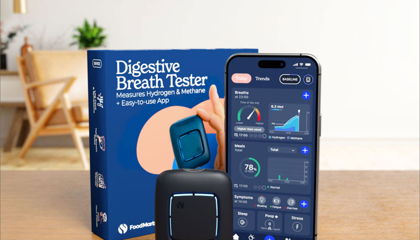
What is the FoodMarble? What do the studies say about this tool for IBS and SIBO?
FoodMarble AIRE 2 is a handheld breath test that tracks hydrogen and methane after meals. Here’s what studies show and where it falls short.