
How IgG and IgA Food Sensitivity Testing can help reverse Gastritis, GERD, and IBS
Medically reviewed by Dr. Dan Wool, NMD
Arizona-licensed Naturopathic Physician and Gastroenterology Specialist
Updated: February 23, 2026
Summary:
- Understanding Gastritis, GERD, and IBS: Gastritis is stomach lining inflammation from NSAIDs, alcohol, or H. pylori causing abdominal pain, nausea, and bloating leading to ulcers. GERD involves chronic stomach acid flowing into esophagus causing heartburn, regurgitation, and Barrett's esophagus risk. IBS is functional disorder with chronic abdominal pain, bloating, and altered bowel habits from gut-brain axis disturbances and microbiota changes.
- IgG and IgA Food Sensitivity Testing Benefits: Blood test measures Immunoglobulin G and IgA antibody levels identifying delayed hypersensitivity reactions to specific foods manifesting hours or days later. Clinical trials show IBS patients following IgG-guided elimination diets experience significant symptom reduction. GERD and gastritis patients eliminating trigger foods report improved quality of life. Provides personalized dietary recommendations, non-invasive testing, and holistic approach addressing underlying sensitivities.
- Food Sensitivity Testing Best Practices: Test both IgG and IgA for complete data—IgA provides accurate elimination diet guidance. Don't confuse IgE allergies (immediate emergency reactions) with IgG/IgA sensitivities (transient inflammation). Create 4-6 week elimination periods with reintroduction plans testing foods individually—goal is eating everything eventually, not permanent restrictions. Limit to 96 markers avoiding overwhelm. Focus on foods patients CAN eat. Never test eating disorder patients—unethical and harmful causing dangerous restrictions.
I find food sensitivity tests useful for gastritis, GERD and IBS patients because gastroenterologists will sooner put you under anesthesia and scope you or prescribe meds for you than ask what you're putting in your mouth.
There, I said it.
For root cause medicine -- especially gastro cases -- the food we eat is the ultimate root cause! We eat and eat and eat, develop chronic gut pain, and never look at the food we're eating! Isn't the definition of insanity "doing the same thing over and over again and expecting different results?"
Because we regularly introduce foreign substances into our mouths, our body has an entire immune system geared to deal with this, called IgA. Another, IgG, tells us if the body has seen the food before (in the bloodstream) and if it is having an immune reaction or re-reaction to it.
So why aren't we asking our immune system "what's wrong?" before an invasive procedure or go on meds that have limited efficacy. Enter Food Sensitivity testing.
But first let's discuss the common conditions this can help.
What are Gastritis, GERD, and IBS?
- Gastritis is the inflammation of the stomach lining, often caused by infections, long-term use of nonsteroidal anti-inflammatory drugs (NSAIDs), excessive alcohol consumption, genetic predisposition, or stress. Common symptoms of gastritis are pain in the gut and abdomen, vomiting, nausea, and bloating. Chronic gastritis can lead to complications such as ulcers and an increased risk of stomach cancer.
- Gastroesophageal Reflux Disease (GERD) is a chronic condition when stomach acid frequently flows back into the esophagus and irritates it. This causes symptoms such as heartburn, regurgitation, and difficulty swallowing. GERD can lead to more serious complications if left untreated, such as esophagitis, Barrett's esophagus, and an increased risk of esophageal cancer.
- Irritable Bowel Syndrome (IBS) is a functional gastrointestinal disorder characterized by chronic abdominal pain, bloating, and disruption in bowel habits, which can include diarrhea (IBS-D), constipation (IBS-C), or a mix of both (IBS-M). The exact cause of IBS is not completely understood, but it is believed to involve a combination of factors such as gut-brain axis disturbances, gastrointestinal motility issues, and changes in the gut microbiota [3]. IBS can significantly impact the quality of life, leading to stress and anxiety, which can turn into a vicious circle and further exacerbate symptoms.
What is IgG and IgA Food Sensitivity Testing?
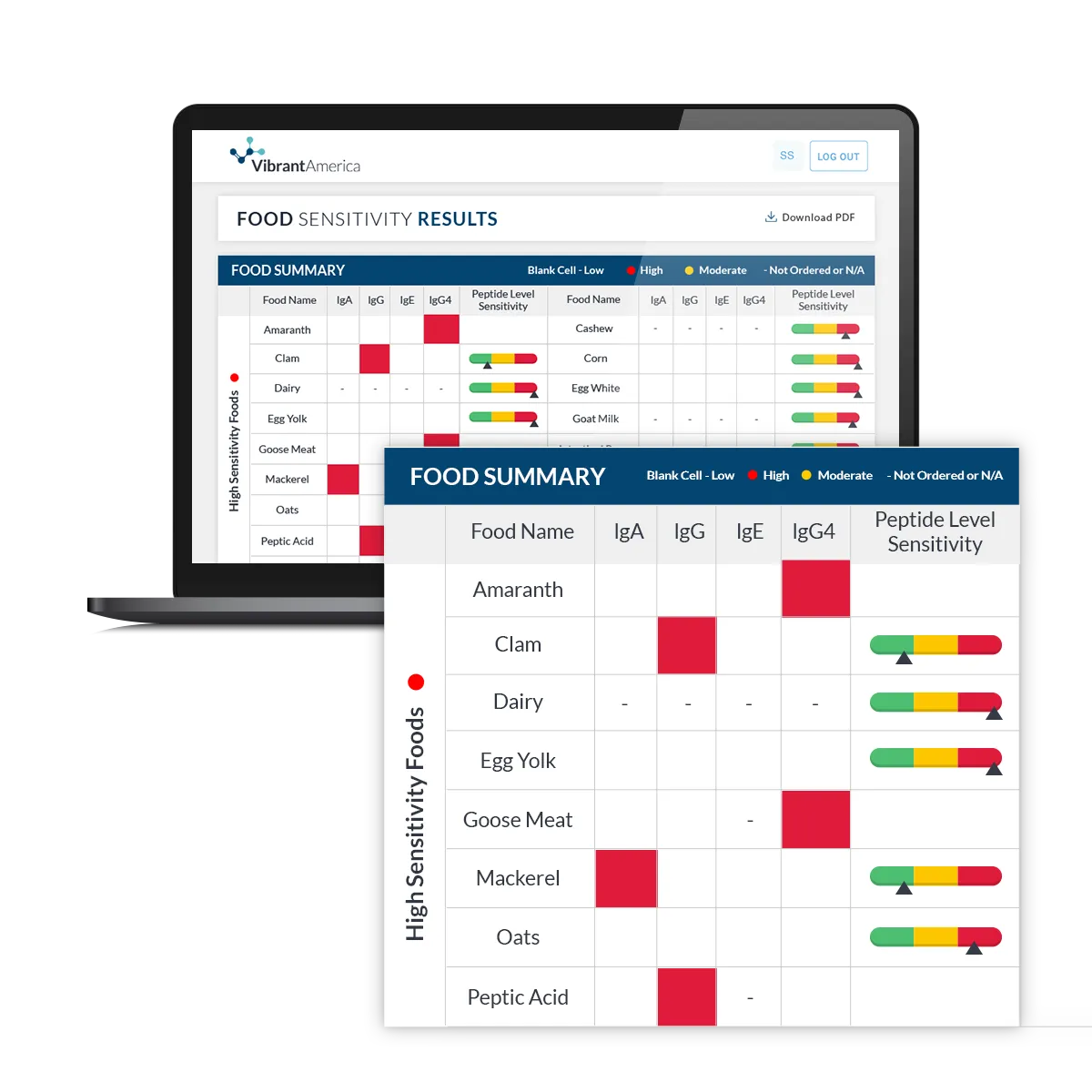
IgG and IgA food sensitivity testing involves measuring the levels of Immunoglobulin G (IgG) and Immunoglobulin A (IgA) antibodies in response to specific foods. These antibodies are part of the immune system and can be a good indicator of a delayed hypersensitivity reaction to certain foods [2]. Unlike immediate allergic reactions mediated by Immunoglobulin E (IgE), IgG and IgA reactions can take hours, even days, to manifest and are often associated with chronic conditions [2].
The testing process is typically done by taking a blood sample, which is then analyzed to detect the presence and levels of IgG and IgA antibodies against a wide range of foods. The results can help identify specific food sensitivities that may be contributing to symptoms of gastritis, GERD, and IBS. This can be a game changer for sufferers of these diseases as identifying and eliminating certain trigger foods can potentially reduce inflammation, improve gut health, and alleviate symptoms.
Traditional Treatment for Gastritis, GERD, and IBS
Below is a quick overview of how common gastrointestinal conditions like gastritis, GERD, and IBS are managed traditionally by healthcare professionals. There are three main areas that these treatments focus on - diet, medications, and lifestyle.
Traditional Treatment of Gastritis
- Dietary changes such as following an anti-inflammatory diet, avoiding trigger foods, and consuming smaller, more frequent meals, can help manage gastritis symptoms. Foods that are spicy, acidic, or high in fat should be avoided, as they can irritate the stomach lining [1].
- Medications that are commonly prescribed to treat gastritis can include antacids, proton pump inhibitors (PPIs), and antibiotics for H. pylori infection. PPIs reduce stomach acid production, allowing the stomach lining to heal, while antibiotics target the H. pylori bacteria.
- Lifestyle changes are proven to be highly effective in treating gastritis as it is often triggered by psychological factors. Reducing alcohol consumption, quitting smoking, and managing stress are important lifestyle changes that can help prevent and manage gastritis. Yoga, meditation, and deep breathing exercises can be very beneficial as part of a healthy lifestyle.
Traditional Treatment of GERD
- Dietary and lifestyle changes that are often recommended to reduce GERD symptoms are avoiding trigger foods, eating smaller meals, and elevating the head during sleep. Common trigger foods are chocolate, caffeine, alcohol, fatty and fried foods, and acidic foods like tomatoes and citrus fruits [2].
- Medications (over-the-counter or prescription) for GERD are similar to gastritis and include antacids, H2 receptor blockers, and PPIs. These drugs work by neutralizing stomach acid, reducing acid production, or blocking acid receptors in the stomach.
- In rare cases, surgery will be considered as a treatment option in the most severe cases especially procedures like fundoplication for hiatal hernia, which can cause GERD. It involves wrapping the top of the stomach around the lower esophagus to strengthen the lower esophageal sphincter and prevent acid reflux.
Traditional Treatment of IBS
- Dietary changes such as following a low FODMAP diet (i.e. avoiding certain sugars that cause intestinal distress), increasing fiber intake, and avoiding trigger foods are common dietary strategies for managing IBS. The low FODMAP diet involves reducing the intake of fermentable oligosaccharides, disaccharides, monosaccharides, and polyols, which can trigger IBS symptoms.
- Medicine such as antispasmodics, laxatives, and antidepressants may be prescribed to manage IBS symptoms. Antispasmodics help relieve abdominal pain and cramping, while laxatives can help regulate bowel movements in IBS-C. Antidepressants, particularly low doses of tricyclic antidepressants or selective serotonin reuptake inhibitors (SSRIs), can help manage pain and improve overall well-being [4].
- Managing stress via Cognitive-behavioral therapy (CBT) and mindfulness practices can contribute to improving gut health. CBT focuses on changing negative thought patterns and behaviors that contribute to stress, while mindfulness practices like meditation and deep breathing can promote relaxation and overall well-being.
What do studies say about IgG / IgA Food Sensitivity Testing?
Several studies have explored the benefits of IgG and IgA food sensitivity testing for managing conditions like gastritis, GERD, and IBS. Here are some of the key findings that build a strong case for the food sensitivity testing approach.
- Improvement in IBS Symptoms. A study published in Gastroenterology found that patients with IBS who followed a diet guided by IgG antibody testing experienced significant reductions in abdominal pain and other symptoms [2]. The study involved a randomized controlled trial with 150 IBS patients, showing significant improvements in the intervention group compared to the control group.
- Reduction in GERD Symptoms. Research indicates that identifying and eliminating foods that trigger IgG and IgA responses can help reduce GERD symptoms and significantly improve quality of life [2]. A study published in the Journal of Gastroenterology and Hepatology found that patients with GERD who followed an IgG-guided elimination diet experienced significant reductions in heartburn and regurgitation.
- Personalized Nutrition. A study published in the World Journal of Gastroenterology [7] concludes that patients with chronic gastritis who followed an IgG-guided elimination diet experienced significant improvements in symptoms and inflammation. This suggests that personalized dietary interventions based on IgG antibody testing can be an effective approach for managing chronic gastritis.
- Enhanced Gut Health. By identifying and eliminating trigger foods, IgG and IgA testing can help restore gut health and reduce inflammation2. A study published in the Journal of Clinical Gastroenterology found that patients with various gastrointestinal disorders who followed an IgG-guided elimination diet experienced significant improvements in gut health and overall well-being.
IgG / IgA Food Sensitivity Testing vs. Traditional Treatment Options
Advantages of IgG and IgA Food Sensitivity Testing
- Personalized approach - Ig testing provides dietary recommendations that are customized to you as they’re based on your immune responses. This personalized approach can help identify specific food sensitivities that may not be on the radar of the general diet recommended by your healthcare professional but that might be contributing to symptoms. This will help you to make your diet targeted rather than a hit-and-miss exercise.
- Non-invasive and convenient as it only needs a simple blood test, making it an easy option for patients. The test can be performed in a clinical setting or at home with a finger-prick blood sample.
- Holistic approach as it addresses the underlying causes (food sensitivities) that may contribute to chronic conditions such as Gastritis, GERD, and IBS. By identifying and eliminating trigger foods, you can have an increased chance of reducing inflammation, improving gut health, and alleviating symptoms.
- "Backdoor" diagnostic tool for "leaky gut". Those with chronic upper GI inflammation (in stomach, duodenum) can develop intestinal permeability (a.k.a. "leaky gut"). The constantly inflamed gut lining opens up (like an old tire left in the sun) and this enables food to "leak" through into the blood stream, where it doesn't belong. This alerts the immune system and IgG responds to multiple foods. While another test, for a substance called Zonulin is specifically diagnostic for intestinal permeability, when we test food sensitivities and more than a dozen foods the patient claims to regularly eat come up highly IgG positive (i.e the body's seen it before and having a new reaction), it's a great way to intuit "leaky gut"..
Limitations of IgG and IgA Food Sensitivity Testing
- Individual Variability - the effectiveness of dietary changes based on IgG and IgA testing can vary from person to person since factors such as the individual's gut microbiota composition, the severity of symptoms, and adherence to dietary recommendations can influence the response to treatment.
- Cost - IgG and IgA testing is still quite expensive and may not be covered by insurance. The cost of IgG and IgA food sensitivity testing can range from $200 to $500, depending on the number of foods tested and the testing method used.
- Scientific Debate - some experts debate the clinical relevance of IgG and IgA testing for food sensitivities. Even though some studies support the use of IgG and IgA testing for managing chronic conditions, others argue that more research is needed to establish its clinical utility and accuracy.
Common Food Sensitivity Testing mistakes (even naturopaths make)
- They don't test IgA. Many practitioners will only run Food Sensitivity Tests for IgG. I think this provides incomplete and sometimes misleading information. Remember IgA is the "inside the pipe" immune system. I've run hundred of these tests and IgA positivity tends to be accuate and when planning an elimination diet, it makes the foods to focus on easy. When IgG and IgA both are positive we have good data.
- They assume IgE is a food sensitivity. Many practitioners will run IgE food allergy markers and run an elimination diet off that. Allergy and sensitivity are different. IgE is an allergic response -- think kids with peanut allergies or someone who gets a bee sting and has to go to the ER. It's generally an emergency and the person knows they have the allergy. I feel like IgE is like the old saying that you "can't get a little pregnant". You either allergic are or you're not. In general, people evolve to be truly allergic to very little, if anything, in their lifetime. Sensitivities are transient. And IgG and IgA food sensitivities are clues to what is creating or exacerbating inflammation in the gut and immune system right this minute. Sometimes a food sensitivity keeps the immune system busy enough to cause allergy symptoms to develop - so FST is useful in that regard. For example, I've had lifelong allergies to grass every Spring; when I identified a diary sensitivity, eliminated it and my gut healed, these disappeared
- They leave people on elimination diets permanently (i.e. no plan to put them back later). What we strive of with elimination diet based on IgG and IgA sensitivity testing is reducing inflammation. The stomach has a wound -- inflammation. Chronic ingestion of the wrong food could have caused it or could be exacerbating existing inflammation -- either way, we want that to stop. So we remove the most likely culprit foods -- temporarily. You have to add the food back in after a certain amount of time - usually 4-6 weeks after elimination. We then test one at a time, make sure each food is ok, then move on to the next. The ultimate goal is to be able to eat everything! When you leave people in the lurch with added restrictions, it makes the problem worse long term.
- They test too many values. Many of these tests have 96, 186 and even 300+ markers. 96 tells us plenty! Any sensitivities usually group cleanly into one or some the big categories (gluten, dairy, soy, nuts, etc) with a few randoms as well. When a practitioner runs 186+ markers they just overwhelm the patient and ultimately will create confusion on next steps. (Do people really eat that many foods to begin with?) Diets aren't easy for many people and this doesn't help. (Often they're just charging - and making - more from the test too).
- They don't focus on what you CAN eat. I often explain Food Sensitivity Test results in this "opposite" way, especially in those who have restricted diets. Look at all the stuff you CAN eat - let's try those things. This always provides some relief and encourages the patient to more boldly experiment putting foods back into rotation.
- They test those with eating disorders. This is a huge no-no - and downright unethical. People with anorexia nervosa, bulimia and other eating disorders do not need more restrictions or the kinds of harmful self-validation a test like this can provide. These are mental-emotional conditions for which they first need proper psychiatric and other professional care.
Frequently Asked Questions About Food Sensitivity Testing
What is IgG and IgA food sensitivity testing?
IgG and IgA testing measures immune antibodies responding to specific foods, revealing delayed reactions that take hours or days to appear. Unlike immediate IgE allergies, these sensitivities contribute to chronic gastritis, GERD, and IBS. A simple blood test identifies trigger foods causing ongoing inflammation and digestive symptoms.
What's the difference between food allergy and food sensitivity?
Food allergies (IgE) cause immediate, severe reactions like anaphylaxis, hives, or swelling within minutes. Food sensitivities (IgG/IgA) trigger delayed reactions - hours to days later - causing chronic issues like bloating, headaches, fatigue, and inflammation. Sensitivities are transient and reversible; allergies are typically permanent and life-threatening. For this reason, many doctors will test IgE food allergies but not IgA/IgG for food sensitivities.
How long does an elimination diet take to work?
Most people notice improvement within 2-4 weeks of eliminating trigger foods identified through IgG/IgA testing. Complete gut healing takes 4-6 weeks. After elimination, reintroduce foods one at a time over 3-5 days to test tolerance. Goal is eating everything eventually—not permanent restriction—with guidance from Scottsdale naturopathic specialists.Would you like me to create more for the other articles, or would you prefer different variations of these?
How does food sensitivity testing help IBS, GERD and gastritis?
Testing identifies specific foods triggering immune responses and inflammation. Studies show IBS patients following IgG-guided elimination diets experience significant symptom reduction. Removing trigger foods reduces GERD heartburn, improves gastritis inflammation, and addresses root causes before invasive procedures or long-term medications. From there, your naturopathic doctor can create a personalized nutrition plan.
Is food sensitivity testing better than traditional treatment?
It's complementary, not replacement. Testing provides personalized dietary guidance based on your immune responses, addressing underlying causes rather than just symptoms. Combined with traditional treatments, lifestyle changes, probiotics, and stress management, it offers a more holistic approach. Test both IgG and IgA for complete picture; avoid permanent elimination diets.
The Bottom Line on Food Sensitivity Testing
IgG and IgA food sensitivity testing can be a valuable tool for managing conditions like gastritis, GERD, and IBS. By identifying specific food sensitivities, individuals can make targeted dietary changes that may help reduce symptoms and improve overall gut health. While traditional treatments remain important, incorporating IgG and IgA testing into a comprehensive treatment plan can provide a personalized and holistic approach to managing digestive health without any side effects.
Combining IgG and IgA food sensitivity testing with dietary changes, medications, and naturopathic treatments like probiotics, herbal remedies, and stress management techniques can constitute an effective approach to managing gastritis, GERD, and IBS.

About the Author
Dr. Dan Wool, NMD
Dr. Dan Wool is a naturopathic doctor who specializes in gastroenterology, hormones and men's health in Scottsdale, Arizona. Set up a free 15-minute discovery call with Dr. Wool today!
References:
Related Posts

What you need to know about a Hiatal Hernia
Understand hiatal hernia symptoms, practical relief strategies, and warning signs that need urgent care.

Bismuth's Role in Gut Health and Biofilm Disruption
Bismuth

Barrett's Esophagus: Causes, Symptoms, Treatments, and When to Seek Medical Help
Barrett’s esophagus is a reflux-related change in the esophageal lining. Learn the causes, warning signs, treatment options, and when to seek care.