
Is aloe vera gel good for acid reflux?
Medically reviewed by Dr. Dan Wool, NMD
Arizona-licensed Naturopathic Physician and Gastroenterology Specialist
Updated: September 25, 2026
Quick Summary:
Aloe vera is a succulent plant, cultivated for its medicinal and nutritional properties. The gel extracted from its leaves is commonly used as a natural remedy for various conditions, including acid reflux.
Aloe Vera may help with acid reflux: Scientific studies suggest that aloe vera can be a safe and effective natural treatment for acid reflux and GERD. Its benefits may include:
Aloe can reduce GERD Symptoms: A randomized controlled trial found aloe vera syrup to be as effective as conventional medications like omeprazole and ranitidine in reducing the frequency of GERD symptoms (heartburn, regurgitation, flatulence, etc.) over a four-week period, with no adverse side effects reported.
Aloe has Anti-inflammatory Properties: Research indicates that aloe vera possesses anti-inflammatory, antimicrobial, and antioxidant functions, which may help calm inflammation within the digestive tract.
Aloe can heal GI Tract Lining: Aloe vera can support mucus production, which helps protect the esophagus and stomach lining from acid.
Acid reflux is a type of disorder that occurs when the sphincter muscle at the lower end of the esophagus relaxes at the wrong time, resulting in stomach acid going back up into the esophagus.
What are the symptoms of Acid Reflux?
Acid reflux affects the stomach and esophagus and very often feels like a burning sensation in your mid-chest near the sternum (this is why it's often referred to as “heartburn”).
Other people might describe it as a feeling not dissimilar to indigestion i.e. burning, pain and discomfort - low down in the stomach.
Many will occasionally experience acid reflux, especially after certain foods, a big meal, or eating too late in the evening closer to bedtime (lying down can cause the reflux) It’s uncomfortable and unpleasant but occasional episodes are not a disease.
When does acid reflux become chronic (GERD)?
If start experiencing acid reflux regularly -- two or more times a week -- or all the time -- this should be a cause for concern and you should consult your physician.
It might mean that you have gastroesophageal reflux disease (GERD) is a more serious form of acid reflux. Longstanding GERD can lead to tissue changes at the gastroesophageal junction called Barrett's esophagus.
So treating only the painful and unpleasant symptoms of acid reflux is not enough. It can be a symptom of other underlying conditions and can also put you at risk of esophageal damage, increased chances of developing ulcers, narrowing of the esophagus, or even cancer, if left untreated.
What is aloe vera?
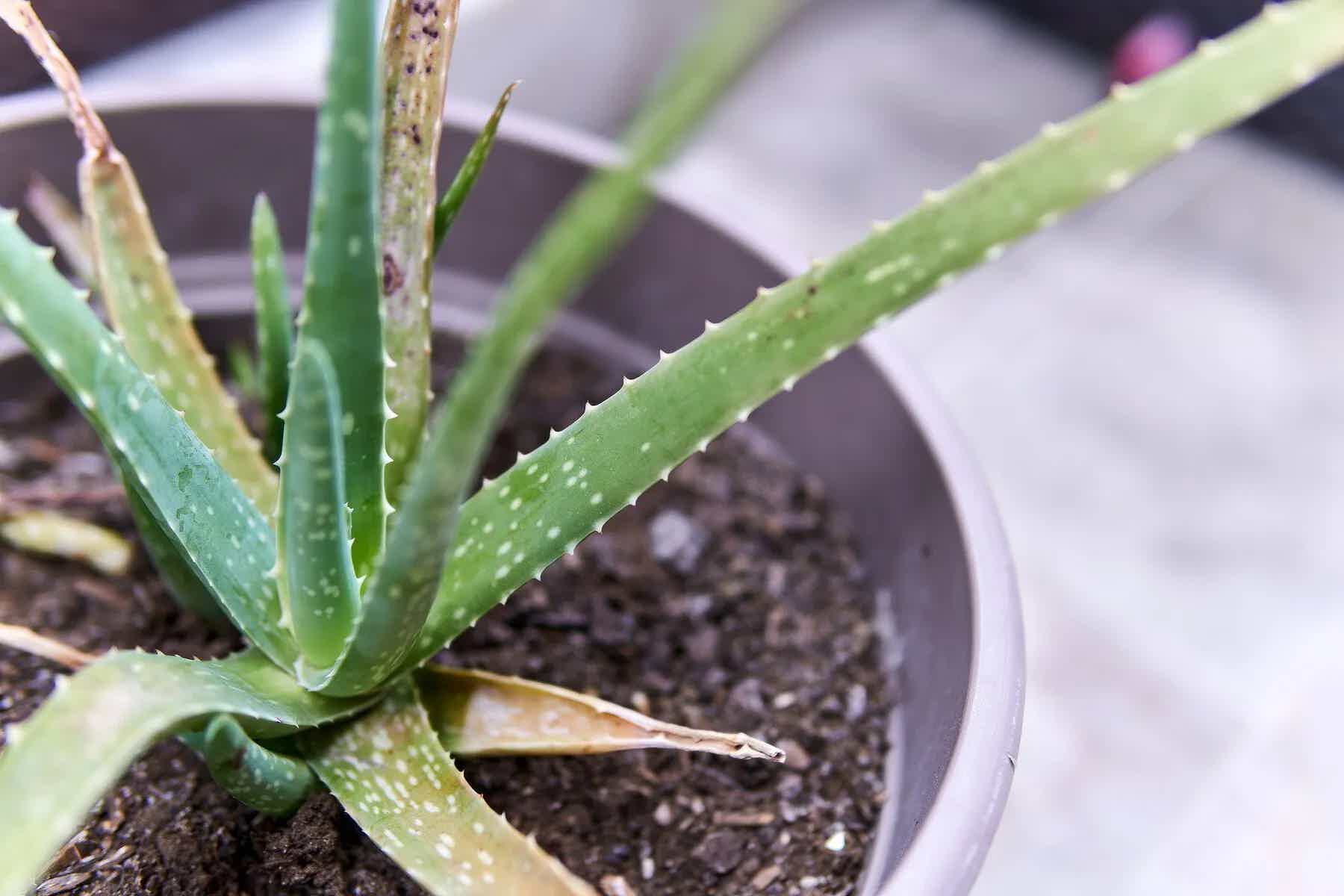
Aloe vera is a cactus-like plant with a deep green color. It’s an evergreen perennial originally from the Arabian Peninsula. Aloe vera grows in hot, arid, tropical, and semi-tropical regions – including Arizona - and it’s cultivated for commercial purposes due to its nutritional and medicinal qualities, including a natural remedy for acid reflux. It is reported for its health properties as an herbal salve, food supplement, and use in cosmetics.
Very often, when referring to ‘aloe vera’ it is the gel extracted from the core of the leaves that has the most benefits. You can safely use aloe vera directly from the plant or buy it in gel form from pharmacists or naturopathic and health shops.
The “latex” or skin of the plant also appears in botanical preparations, but as a strong laxative - read labels carefully.
There are over 500 species of ‘aloe’ plants native to Madagascar, Africa, and the Arabian Peninsula.
It is best to harvest the leaves of mature plants and leave a few weeks gap between cutting the leaves from the same plant.
Typical medical treatment for Acid Reflux
Acid Reflux and its chronic form Gastroesophageal reflux disease (GERD) are often managed with over-the-counter (OTC) medications, like antacids, along with lifestyle and dietary changes. In more severe cases, your physician may recommend prescription medications to prevent esophageal damage and other conditions of the digestive system.
While medication is a common approach to treating GERD, many home and natural remedies might help reduce acid reflux severity and frequency of occurrences. It’s important to discuss these options with a gastroenterologist to ensure they’re appropriate for your specific situation.
Managing your weight, avoiding specific foods that are well-known triggers for acid reflux as well as eating those that might help, chewing your food properly and sitting up for longer after a meal, avoiding smoking and alcohol, and generally keeping fit are all things that might help.
Many herbal remedies such as chamomile, licorice, slippery elm and marshmallow can also treat the condition.
Research about Acid Reflux and Aloe Vera
According to scientific studies, aloe vera may be a beneficial natural treatment for acid reflux and GERD. Scholarly articles for medically backed research point that aloe vera juice can aid digestion and alleviate symptoms of gastrointestinal problems such as acid reflux by:
Calming digestive tract inflammation. According to research [1] aloe vera has various biological activities that may contribute to its health benefits, such as antimicrobial, anti-inflammatory, lipid and glucose lowering, antiproliferative, immunostimulatory, and antioxidant functions. Even though this is promising, further research is needed to fully understand the mechanisms and interactions of its active ingredients.
Reducing GERD symptoms - in a pilot, randomized controlled trial [2], 79 subjects with GERD were assigned to one of three treatments: Aloe vera syrup (standardized to 5.0mg polysaccharide per mL) at a dose of 10 mL/day, omeprazole capsule (20 mg/day), or ranitidine tablet (150 mg in the morning and 150 mg before sleep) for 4 weeks.
The frequency of eight main GERD symptoms (heartburn, food regurgitation, flatulence, belching, dysphagia, nausea, vomiting, and acid regurgitation) was evaluated at weeks 2 and 4.
The results indicated that Aloe vera was safe, well-tolerated, and reduced the frequency of all assessed symptoms without causing any adverse events that required withdrawal. The study concluded that Aloe vera may be a safe and effective treatment for reducing GERD symptoms;Reducing esophageal inflammation and stomach acid. An early study [3] suggested that aloe vera syrup worked as well as reflux medications such as ranitidine (Zantac) and omeprazole (Prilosec) but with fewer side effects.
In a pilot, randomized controlled trial, 79 subjects with GERD were assigned to one of three treatments: Aloe vera syrup (standardized to 5.0 mg polysaccharide per mL) at a dose of 10 mL/day, omeprazole capsule (20 mg/day), or ranitidine tablet (150 mg in the morning and 150 mg before sleep) for 4 weeks.
The frequency of eight main GERD symptoms (heartburn, food regurgitation, flatulence, belching, dysphagia, nausea, vomiting, and acid regurgitation) was evaluated at weeks 2 and 4. The results indicated that Aloe vera was safe, well-tolerated, and reduced the frequency of all assessed symptoms without causing any adverse events that required withdrawal.
The study concluded that Aloe vera may be a safe and effective treatment for reducing GERD symptoms. However, it’s important to note that while these findings are promising, more research is needed to confirm the benefits of aloe vera for acid reflux and GERD.
As with any treatment, it’s recommended to consult with a healthcare provider before starting aloe vera to ensure it’s safe and appropriate for your specific condition.
Aloe vera and naturopathic medicine vs. traditional treatment options
How does naturopathic care for acid reflux differ from standard Western medicine? By using naturopathic and holistic methods, Dr. Wool can work with you on a treatment to eliminate the causes of acid reflux, GERD, and other conditions that can adversely affect your digestive system - and offer natural remedies before relying on medication.
Naturopathic medicine also treats the whole person by looking at root causes (vs, just symptoms) and treating each underlying issue thus avoiding the adverse effects that standard medications might have.
Below are the main benefits and potential areas of caution when embarking on a naturopathic treatment with aloe vera for acid reflux.
Gut benefits of aloe vera
Anti-inflammatory - aloe vera is often used for minor irritations such as sunburn. Since the juice of the aloe plant is packed with vitamins, minerals, and amino acids it can detoxify the body when taken internally, boost digestion, and eliminate waste;
Heals digestive tract lining. Consuming aloe vera juice may help digestion and reduce symptoms of gastrointestinal issues such as acid reflux. Aloe can helps with mucus production which can protect the stomach and esophagus from acid;
Reduces frequency of the symptoms of acid reflux.
Widely available over the counter and at natural markets - sold usually in capsules as well as aloe gel or "juice".
Potential Risks with Aloe Vera
Avoid during pregnancy. Aloe might stimulate causing contractions and put one at risk of early labor;
Use aloe gel for reflux, not the latex, which can cause stomach discomfort and diarrhea since it’s a strong ("cathartic"), natural laxatives.
Consult a professional. Always take the right dose and only for short periods as prescribed by a qualified naturopath or your physician. Always consult a naturopathic doctor or botanical expert such as Dr. Dan Wool before using aloe vera as part of an acid reflux treatment plan.
Frequently Asked Questions About Aloe Vera for Acid Reflux
Does aloe vera really help acid reflux and GERD?
Yes. Randomized controlled trials show aloe vera syrup is as effective as omeprazole and ranitidine for reducing heartburn, regurgitation, and flatulence over four weeks, with no side effects. Its anti-inflammatory, antimicrobial, and antioxidant properties calm digestive tract inflammation while supporting protective mucus production in the esophagus.
How do I take aloe vera for heartburn safely?
Use only inner aloe vera gel or juice. Never use the latex (skin), which is a strong laxative. Start with small amounts and gradually increase. Avoid during pregnancy as it may stimulate uterine contractions. Consult Scottsdale naturopathic doctors for proper dosage, duration, and integration with dietary modifications for root cause treatment.
Will taking aloe vera for acid reflux/GERD give me diarrhea?
Only the latex or skin of the aloe vera plant causes diarrhea. The gel is tolerated by most to soothe the upper GI tract. Get recommended preparation from your naturopathic doctor or check package labels carefully if you are sourcing on your own.
Is aloe vera better than acid reflux medications?
Aloe vera offers comparable symptom relief to PPIs (proton pump inhibitors) without long-term medication side effects. Studies show it's as effective as omeprazole for GERD symptoms while providing additional benefits: healing GI tract lining, reducing inflammation, and supporting natural mucus production. Best used as part of holistic naturopathic approach addressing root causes.
The "Bottom Line" on Aloe Vera for Acid Reflux/GERD
Aloe vera has been used for generations for its medicinal properties treating many ailments. This includes the treatment for acid reflux and GERD which is being further explored and is already giving promising results.
Scientific studies suggest that Aloe vera may help alleviate symptoms by calming inflammation in the digestive tract and reducing stomach acid.
A pilot study [2] found that Aloe vera syrup was as effective as common reflux medications in reducing GERD symptoms, with fewer side effects.
While these findings are promising, further research is needed therefore it is important to consult with a healthcare provider, including an experienced naturopath before starting a new treatment.
Find out about other natural remedies that support gut health:
Related reading:
Gut Health: What it is and How it breaks down https://www.drdanwool.com/blog/gut-health-what-it-is-and-how-it-breaks-down
Complete Guide to GERD / Acid Reflux https://www.drdanwool.com/blog/gerd-and-acid-reflux-why-youre-still-on-your-ppi
Acid Reflux/GERD mega FAQ https://www.drdanwool.com/blog/frequently-asked-questions-about-gerd-acid-reflux-heartburn
GERD/Acid Reflux Deserves More Than a Lifetime of PPIs
Dr. Wool's Gut Repair Plan starts with extended visits, specialty testing conventional workups rarely include, and a treatment plan built around root cause rather than symptom management.
See if we're a fit → Book a 15-minute call with Dr. Wool. No cost, no obligation.
https://www.drdanwool.com/booking
Disclaimer:
The information provided on this page is for educational purposes only and is not intended as medical advice, diagnosis, or treatment. Dr. Dan Wool nor his affiliates do not make claims about the effectiveness of supplements, peptides, hormones or other therapies outside of the contexts supported by cited clinical evidence and regulatory approval. Always consult a qualified healthcare provider before starting, changing, or stopping any medical or wellness program.
About the Author
Dr. Dan Wool, NMD
Dr. Dan Wool, NMD is an Arizona-licensed naturopathic physician practicing naturopathic gastroenterology, hormone optimization, and men's health in Scottsdale. A member of GastroANP, he works with patients whose scopes came back normal but whose symptoms didn't go away, an experience he lived through himself before leaving a 20-year corporate career for medicine.
Read Dr. Wool's Story: drdanwool.com/about

References:
[1] Meika Foster, Duncan Hunter, and Samir Samman., Chapter 3 Evaluation of the Nutritional and Metabolic Effects of Aloe vera, Herbal Medicine: Biomolecular and Clinical Aspects. 2nd edition., Benzie IFF, Wachtel-Galor S, editors. Boca Raton (FL): CRC Press/Taylor & Francis; 2011., https://www.ncbi.nlm.nih.gov/books/NBK92765/
[2] Yunes Panahi, Hossein Khedmat, Ghasem Valizadegan, Reza Mohtashami, Amirhossein Sahebkar, Efficacy and safety of Aloe vera syrup for the treatment of gastroesophageal reflux disease: a pilot randomized positive-controlled trial, PMID: 26742306
DOI: 10.1016/s0254-6272(15)30151-5, https://pubmed.ncbi.nlm.nih.gov/26742306/
[3] R. Morgan Griffin, Stephanie Watson, Everything About Aloe Vera, June 13, 2024,
https://www.webmd.com/diet/supplement-guide-aloe-vera
Related Posts

Is slippery elm good for treating heartburn?
Learn whether slippery elm may ease heartburn and GERD, how it works as a protective coating, and what to know before trying it.

Is licorice (DGL) good for acid reflux?
Learn what DGL licorice is, how it may help acid reflux and GERD, and why it’s different from regular licorice root.

Silent Reflux Uncovered: A Complete Guide to Laryngopharyngeal Reflux (LPR)
Silent reflux can cause hoarseness, cough, and throat clearing without heartburn. Learn how LPR is diagnosed and managed, with lifestyle changes first.