
Understanding Your Lab Results: Why Context and Consistency Are Key
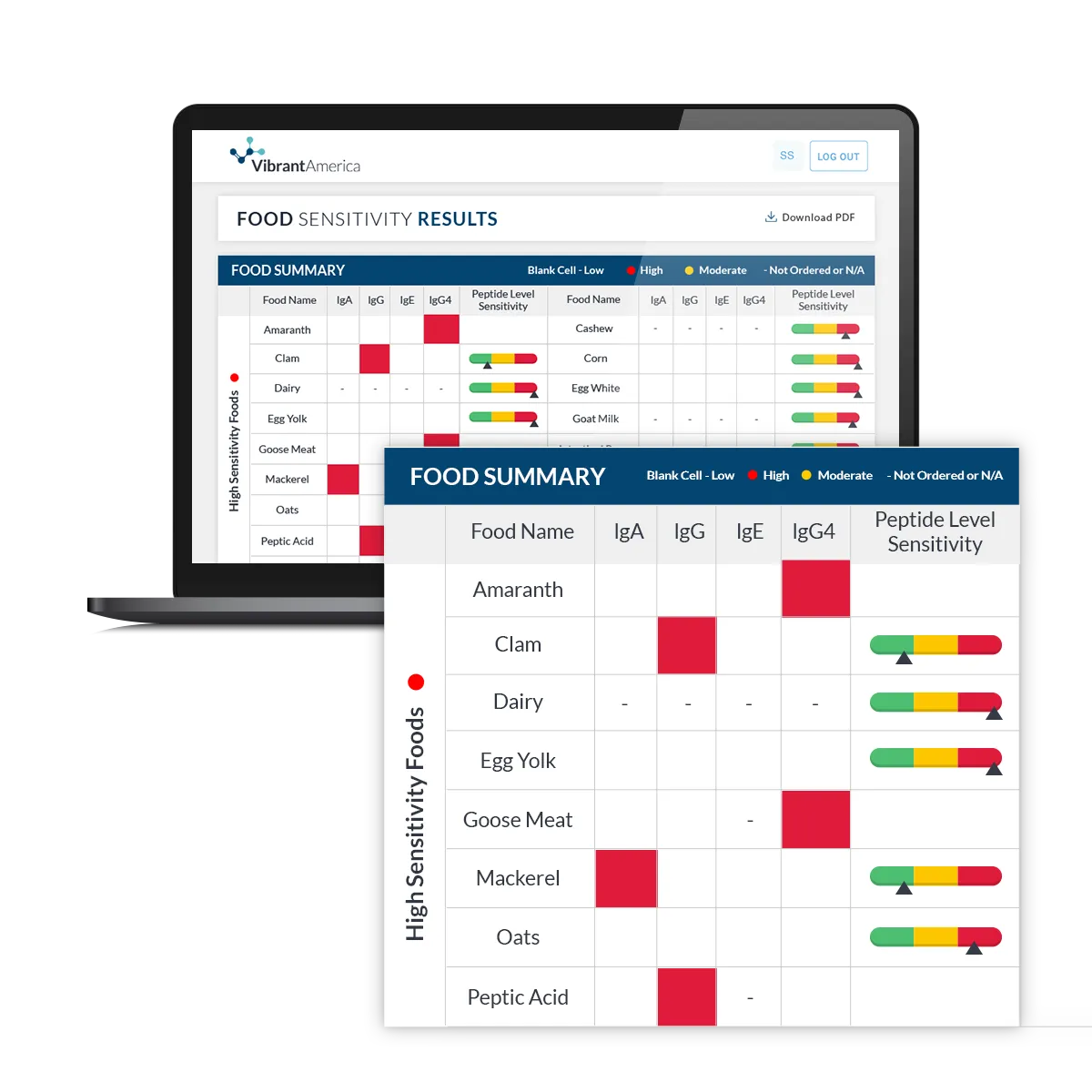

Now, a couple of things I want you to remember about labs:
- You have to get "points on the board"
- Context is everything
I think when labs are showing numbers that are too high or too low, and bolding these out, we get these labs ahead of when our doctors get them, and the first thing we do is we jump on the internet and look 'em up. "Oh my gosh, it's cancer! Oh my gosh, it's heart disease!" Our minds, our Google searches go to the most extreme thing that there is. But two things are very important to remember: again, points on the board, and that context is everything.
The Power of "Points on the Board" (Consistent Lab Testing)
So what do I mean by "points on the board"? You have to get checked on a regular basis for your labs. A great example: I had a patient come in today. He had one of his blood markers that was slightly elevated. Everything else was perfectly healthy throughout his other labs, and when we go back and look and double-check on these things, the numbers are almost exactly the same every time. I've been blessed that this patient has been with us in the clinic here for about six years. I had labs going back to 2018, and boom, every time I check his white blood cells, they're the same within the range. Every time I check the differential marker for monocytes, they were exactly the same every single time.
So when the mind and the Google searching go to cancers and autoimmune diseases and these very anomalous conditions, I have points on the board that are telling me every single time I see this person that they're probably going to have a little bit elevated white blood cells (normal within the range and slightly over the range) and monocytes. It doesn't mean that we don't try to find a root cause. It doesn't mean that we don't double-check things, but in this person's case, that gives peace of mind. Maybe something's bolded out, but you know what? It's always bolded out. Sometimes those are just your numbers. So that's where it leads to context being everything.
Why Context is Everything for Lab Results
Here are a couple more examples of why context is everything:
- Transient Blips: I had a friend call me last night. His doctor called him back, "Hey, we got your labs back!" Scared the crap out of him because his potassium was high—0.2 over the range. And he's freaking out, doing the Google searches again, finding cancer, finding heart disease, all the extremities, and getting really nervous about this and his test. But, you know, for a metabolic panel, you could just be dehydrated that day. It's just a point in time. So now, if we're getting points on the board, and we go back and we look through everything, we could see this is a perfectly healthy individual, and that, you know what, just had a bad day. We can rerun it, and it'll be different tomorrow. Then if we rerun it again, again, points on the board, instead of a single point on a graph, now you have a line of things that are either flat or normal, or it kind of goes back to what it's always been. Then we know it was just a transient thing.
- Looking at the Whole Picture: What are all the numbers around a flagged result telling us? Whether it's a metabolic panel, a blood count, hormones, what are all the numbers around it telling us? If everything else is healthy, it's almost likely, usually, that you are healthy, and it was just a point in time, and it's something that we need to rerun.
- Lipid Panels (Cholesterol): The other great "context is everything" set of labs are lipids. This is the $5 panel. They get your total cholesterol, your HDL (which is called, in the zeitgeist, "good cholesterol"), LDL ("bad cholesterol"), sometimes VLDL (the most inflammatory cholesterol), and triglycerides, which when they're elevated can start the heart disease process. So we look at those as a panel, and we try to assess somebody's risk of cardiovascular disease or heart health.
- We've got to look at the numbers very carefully. Total cholesterol is meant to be under 200. Many times people are under 200, but their LDL is high, or their HDL, their good cholesterol, is high. We want those numbers driven by HDL because that means the LDL is relatively low, and the inflammatory processes are probably less likely to be happening.
- The other thing is, what is happening to LDL? It's just a calculation. So there are things like oxidized LDL and VLDL that we can check, or high-sensitivity CRP, other APO markers, to see exactly on a molecular basis: how inflamed are you? If you're inflamed, now the body's got a real convenient place to put all that excess cholesterol, and now we have context. But generally, if everything's fine, everything's fine, and we can explain it. But we're going off a calculation that is out there as "this is bad cholesterol, you have heart disease," and it's only a calculation. We're not accounting for the function of the body, what inflammation is going on. And it's really important to get a look at absolutely everything and then getting full panels so that we can see themes.
- Seeing Themes (e.g., Stress and Hormones): Sometimes, like with stress, like with cortisol, we see themes. We see inflammation due to stress. We see deficiencies in certain hormones due to cortisol. So context is everything.
The Cost of Waiting to Run Labs: A Real-Life Example
And then, if we're running everything... With my men's health patients, we're running them every six months. With my women's health patients, maybe three times a year. You're getting points on the board, and that way, if there is a blip, it is easily manageable as opposed to waiting and waiting.
It's a longer video for me. One last example on the waiting piece would be that we had a patient here in the clinic. He was coming in on a regular basis, had low prostate-specific antigen (you could see my other video we did the other day on that, if you like), but it was low. It was just, you know, two. And he didn't come in for a couple of years, and so we ran it again, and it was like 15. He wasn't getting points on the board. So in the intervening two years, he was developing some sort of inflammatory process in the prostate, and had to be referred to urology for biopsy, and they found cancer. So you've got to get points on the board so that when these blips happen, they're small, they're transient, and we can jump on them very quickly.
Work with a Doctor Who Understands the Big Picture
So again, get those points on the board when it comes to labs, and remember that when we are going through them, and you're going through them before the doctor, you're going through them on Google instead of with me, context is absolutely everything. There are plenty of labs that I go through that have lots of bold, that mean nothing.
So hopefully, you'll relax. Work with a functional or naturopathic doctor like myself. You can book a free discovery call with me on my website. It's drdanwool.com, and on all the socials at @DrDanWool. Also, put some comments below here on our YouTube channel. And in the meantime, it's "fix your gut, solve your health."
Oh...one more thing
🔔Don't forget to subscribe to my You Tube Channel for more updates!
https://www.youtube.com/@drdanwool/?sub_confirmation=1

About the Author
Dr. Dan Wool, NMD
Dr. Dan Wool is a naturopathic doctor who specializes in gastroenterology, hormones and men's health in Scottsdale, Arizona. Set up a free 15-minute discovery call with Dr. Wool today!
Related Posts

What you need to know about a Hiatal Hernia
Understand hiatal hernia symptoms, practical relief strategies, and warning signs that need urgent care.

Bismuth's Role in Gut Health and Biofilm Disruption
Bismuth

Barrett's Esophagus: Causes, Symptoms, Treatments, and When to Seek Medical Help
Barrett’s esophagus is a reflux-related change in the esophageal lining. Learn the causes, warning signs, treatment options, and when to seek care.