
Should you ask Chat GPT or AI about your health?
Medically reviewed by Dr. Dan Wool, NMD
Arizona-licensed Naturopathic Physician and Gastroenterology Specialist
Updated: November 11, 2025
Summary:
- Why AI Lacks Clinical Context for Health Advice. AI tools like ChatGPT, Gemini, and Claude misinterpret lab results by flagging normal variations as serious conditions without considering individual symptoms, medical history, or diagnostic algorithms. A recent case saw AI suggest (or "hallucinate") thyroid cancer for a TSH value of 0.020—the actual cause was simply taking medication before the blood draw.
- AI Cannot Replace Human Medical Intuition and Clinical Experience. AI lacks physical examination capabilities, human touch, and clinical experience to properly diagnose conditions like IBS-D, which can stem from infection, dysbiosis, anxiety, antibiotics, food sensitivities, or blockages. It cannot order labs, imaging, or provide the "art" of medicine that distinguishes between similar presentations requiring different treatments.
- When AI Health Advice Becomes Dangerous. AI is not a substitute for urgent care, ER visits, or 911 for alarm symptoms like blood in stool or severe pain. One IBD patient cobbled together a 50% incorrect supplement protocol via ChatGPT that could have worsened their condition, delaying proper standard-of-care treatment available at urgent care.
- Best Use of AI (For Now): Lifestyle Modifications. Use AI for exercise regimens, healthy recipes, and sleep routines—but consult naturopathic, functional, or holistic doctors for lab interpretation, symptom diagnosis, and personalized health plans that consider your unique clinical picture.
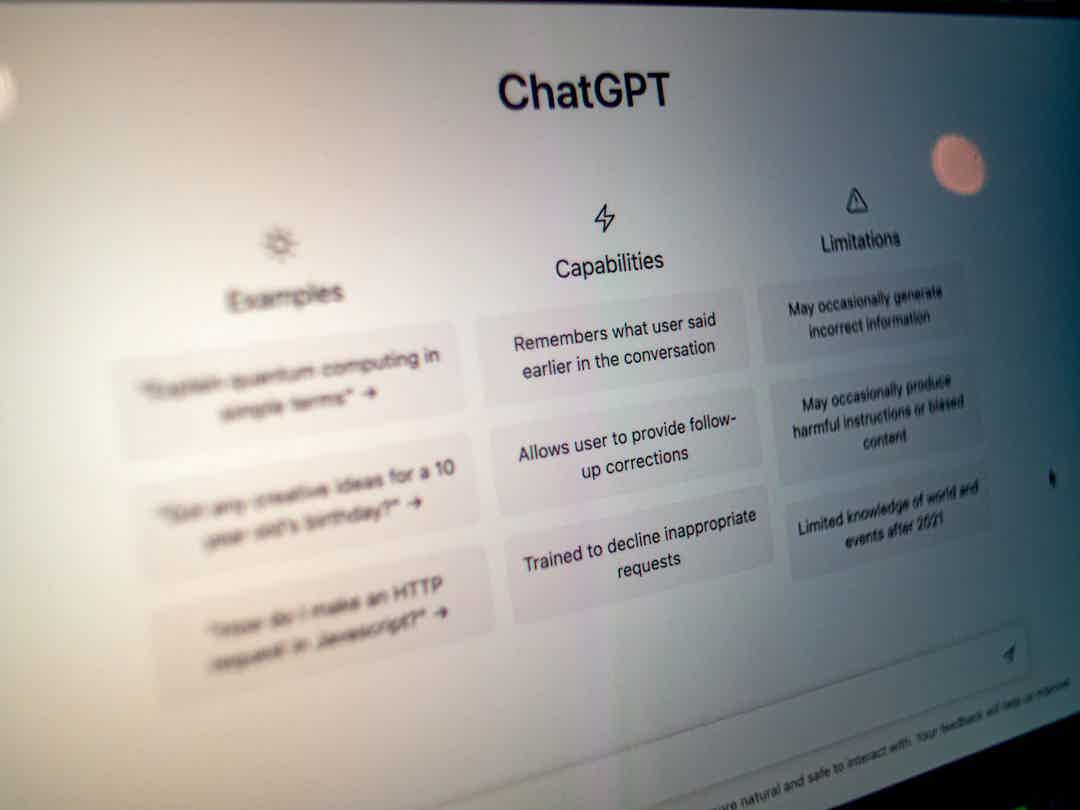
Artificial Intelligence (AI) sites, including Chat GPT, Gemini (Google), Claude.Ai, Grok and others, are becoming an increasingly popular consumer option to aid productivity and find answers to all kinds of issues -- including health.
It's a sensation. And I'm now seeing at least 1-2 people a week who have consulted one of these sites and brought their questions (or pre-determined answers) into clinic (which I'm not against, by the way).
I totally get it. Knowledge is power. And Primary Care physicians and specialists like gastroenterologists, are harder to get into see quickly and have less time to spend once you're there. So while you're suffering (or maybe just waiting to get an annual check-up or a read on some normal lab results), you can at least go online with AI and get some answers - and hopefully get some peace of mind.
Unfortunately, in my experience, it also can create the opposite. Here's why:
AI lacks clinical context when it comes to health
Many patients are pasting their lab results into AI bots. In my experience reviewing thousands of lab results with patients, 100% clean labs are rare -- there are almost always values that are flagged as out of range. These are rarely bad. But not according to AI. These "abnormal" values must be put into proper context based on medical diagnostic algorithms and an individual's symptomology. Naturopathic doctors like myself are also "thin slicing" the ranges (including "normal" values) and keeping that in context of presenting symptoms and other labs values in the sequence.
I had a patient recently who was concerned about a lab value prior to seeing me and so they put their labs into Chat GPT. The Thyroid Stimulating Hormone was 0.020 (range 0.45-4.50) at the bottom of the range and flagged. The description said that this was a serious issue, such as Graves Disease or Thyroid Cancer and needed to be investigated immediately. Not wrong. However, this of course freaked the patient out to the point where they moved up their appointment. They were sure they had thyroid cancer. Long story short, when we reviewed labs in office, as I asked practical, medical questions, it was revealed that the patient had took their thyroid hormone on the day of the draw when they should have been fasted. All that angst for a very simple answer - in context.
AI lacks human experience and human touch
AI lacks human intuition, which is a big part of being a doctor. AI can't do a physical exam or feel abnormalities. It relies on the patient, who is also not a professional. You can have one diagnosis but there are many ways to get there. There is an "art" to medical science too and it takes clinical experience to know the difference and to more properly and appropriately dig deeper. (AI can't order labs and imaging).
Take Irritable Bowel Syndrome with Diarrhea (IBS-D) for example. It can be due to infection, dysbiosis, anxiety/stress, post-anti-biotics, food sensitivities, blockage and many other reasons. AI may nail a diagnostic algorithm but it lacks the clinical experience with people to truly rule things in or out -- or the human connection to make sure the patient is comfortable and on the right path. It also lacks the "then what" even though we may ask. Consider the source: doctors for the win.
AI doesn't replace Urgent Care, ER or 9-1-1
A doctor's job is to keep you safe and stable. AI...not so much. It may tell you something is serious but so will WebMD. Don't ask AI for answers and wait on care - especially for alarm signs - seek treatment ASAP! I tell my patients all the time not to fear the ER - they have all the diagnostic tools in one place. I had another patient recently with irritable bowel disease (IBD) - they were having lower bowel pain and blood in stool (alarm signs) - and per their prompts, cobbled together a natural supplement protocol with Chat GPT's help outside business hours to get through a weekend flare-up. It was about 50% correct. A couple of the suggestions could have made this person worse and when I saw them on Monday, we took these out of rotation out as a precaution -- and prescribed standard of care medication, which they could have received a few days earlier at Urgent Care or ER. Better safe than sorry.
AI is literal, not functional, book smart vs. street smart
Ask AI a question, you will get an answer culled from research. And these are great. They just might not be actionable. Many MDs will look at labs in the normal range and tell you you're "fine" (book smart, literal). Naturopathic and functional medicine practitioners are looking for patterns and where you are in range (street smart, functional). In the example above with TSH, for instance, the lab range is really wide. A person with a TSH of 4.499 (out of 4.500) would be considered "normal". But when taken into context of their thyroid values (which may also look normal) we can often see that a person is clinically hypothyroid. Naturopathic and functional doctors will then ask why - looking at the gland's function and wondering what could be affecting it (stress, diet, supplementation, etc) and possibly investigate further.
My advice: Use AI for lifestyle modifications
If...
- You want an exercise regimen you can carry into the gym - ask AI. (But ask a trainer how)
- You want healthy recipes for a specific diet type - ask AI (But ask a nutritionist how)
- You want a good wind-down routine to sleep better - ask AI
- Have an ache, pain, weird symptoms - ask a doctor (and sooner than later)
The bottom line on using AI for health advice
- AI is good for more information, but lacks context. It's biased to what you feed it and you're not a healthcare professional.
- AI doesn't replace doctors or standard of care
- When it comes to health, AI isn't much different than search engines (yet). Don't crowdsource your health
A naturopathic, holistic or functional medicine doctor looks at the bigger picture and respects that your health is individual to you. While I can envision a time where AI is a repository for all of your personal health information, making important connections between your genetics, epigenetic and historic labs from cradle to grave, it's not there yet. We can lean into it in certain circumstances but need to be very careful at this time when it comes to serious health issues or quarterbacking a holistic health plan.

About the Author
Dr. Dan Wool, NMD
Dr. Dan Wool is a naturopathic doctor who specializes in gastroenterology, hormones and men's health in Scottsdale, Arizona. Set up a free 15-minute discovery call with Dr. Wool today!
Related Posts

What you need to know about a Hiatal Hernia
Understand hiatal hernia symptoms, practical relief strategies, and warning signs that need urgent care.
Silent Reflux Uncovered: A Complete Guide to Laryngopharyngeal Reflux (LPR)
Silent reflux can cause hoarseness, cough, and throat clearing without heartburn. Learn how LPR is diagnosed and managed, with lifestyle changes first.
Zinc Carnosine for Gut Healing: A Complete Guide
Learn how zinc carnosine supports gut lining repair, may help ulcers and leaky gut, and what dosing and safety to consider.