
What's the difference between naturopathic and holistic doctors?
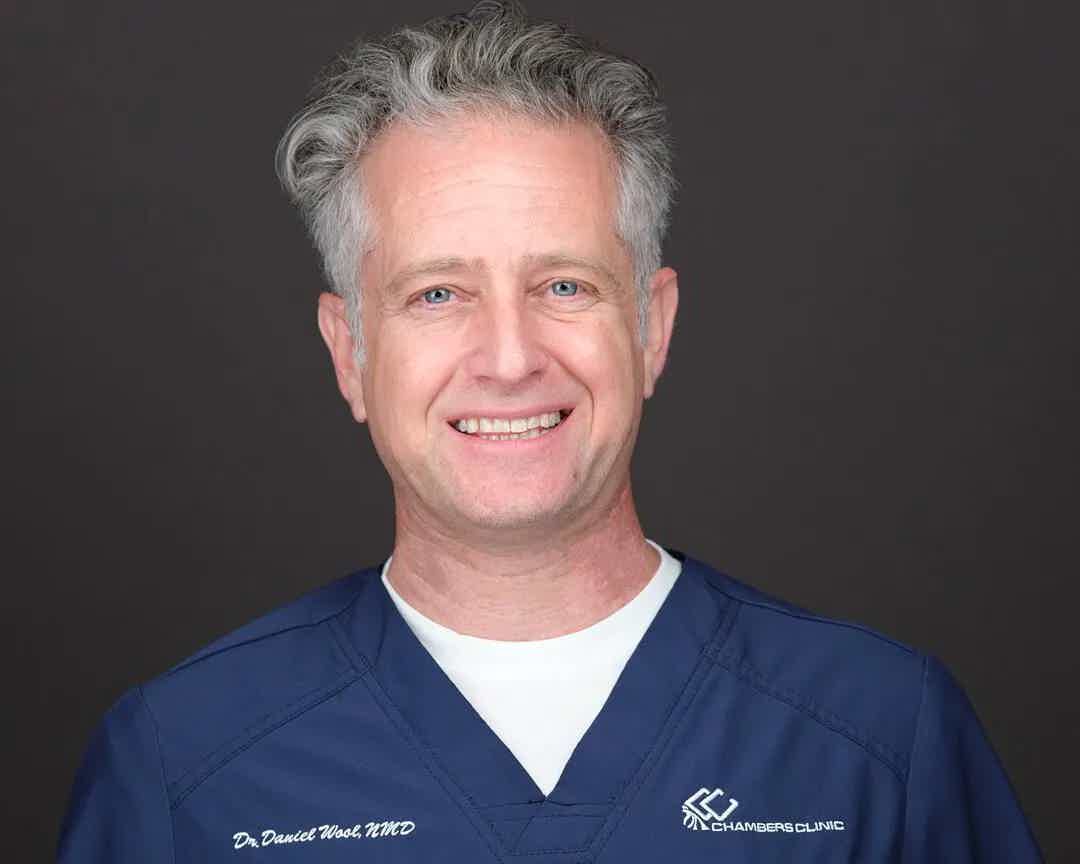
Medically reviewed by Dr. Dan Wool, NMD
Arizona-licensed Naturopathic Physician and Gastroenterology Specialist
Updated: September 26, 2026
Quick Summary:
Holistic doctors treat the whole person - body, mind, and emotions -combining conventional medicine with lifestyle factors like diet, sleep, and stress management.
Types of holistic practitioners include MDs, DOs (osteopathic), DCs (chiropractors), functional medicine doctors, NDs (naturopathic), and acupuncturists, each with varying degrees of training and licensure.
All holistic approaches share similar philosophies beyond traditional medicine; choice depends on your specific needs and location, as licensing (such as ND, LAc) varies by state.
A naturopathic doctor (ND) is one type of holistic doctor. Holistic doctor is a descriptive term for a doctor who treats people using a whole-body approach. Often called "integrative medicine" there are several different types of holistic doctors, including NDs.
In general, holistic practitioners treat the whole person vs. just physical symptoms. They use the decision making of traditional medicine but also consider factors such as your lifestyle, diet, sleep habits, emotional health and stress level. They combine conventional medical training with holistic approaches.
Many holistic providers have medical degrees, some may not have a traditional medical degree. The modalities used may vary. Types of holistic providers include:
Medical Doctor (MD): Integrative medical doctors are fully licensed medical doctors who combine traditional medicine with whole body approaches.
Doctor of Osteopathic Medicine (DO): Osteopathic doctors are fully licensed medical doctor who have specialty training in physical manipulation of your musculoskeletal system.
Doctor of Chiropractic Medicine (DC): Chiropractors use a hands-on approach to manipulate your joints. They work on body alignment and pain management.
Functional Medicine Doctors (MD, DO, DC): Traditional doctors with specialty certification in functional medicine, whole-body approach.
Doctor of Naturopathic Medicine (ND): Naturopathic doctors use a combination of traditional medical science, whole person approaches and natural therapies, including acupuncture, herbs and nutrition.
Acupuncturist (LAc): Acupuncturists use the traditional Chinese method of inserting thin needles to balance your body’s core energy.
The Bottom Line
You really can't go wrong with holistic practitioners - the approaches between them are similar and go beyond the algorithmic nature of traditional medicine.
NDs start with an integrative approach; they are are licensed in Arizona but not all states. Holistic doctors trained as traditional MDs or DOs, have generally added holistic philosophies and modalities to their approach.
Since they started in traditional medical programs, holistic docs have the edge on training and they are licensed nationally - who you choose will depend on what your specific needs are and often, where you live.
Regardless of which path you choose, the holistic approach represents a growing recognition that effective healthcare must address the whole person. while honoring the body's remarkable capacity to heal itself.
Frequently Asked Questions
What is a holistic doctor?
A holistic doctor treats people using a whole-body approach. That means they focus on your body, mind, spirit and emotions when diagnosing and treating you. Holistic doctors use traditional medicine and also consider factors such as your lifestyle, diet, sleep habits and stress level.
See if we're a fit
Dr. Wool's Gut Repair Plan starts with extended visits, specialty testing conventional workups rarely include, and a treatment plan built around root cause rather than symptom management.
Book a 15-minute call with Dr. Wool. No cost, no obligation.
https://www.drdanwool.com/booking
Disclaimer:
The information provided on this page is for educational purposes only and is not intended as medical advice, diagnosis, or treatment. Dr. Dan Wool nor his affiliates do not make claims about the effectiveness of supplements, peptides, hormones or other therapies outside of the contexts supported by cited clinical evidence and regulatory approval. Always consult a qualified healthcare provider before starting, changing, or stopping any medical or wellness program.
About the Author
Dr. Dan Wool, NMD
Dr. Dan Wool, NMD is an Arizona-licensed naturopathic physician practicing naturopathic gastroenterology, hormone optimization, and men's health in Scottsdale. A member of GastroANP, he works with patients whose scopes came back normal but whose symptoms didn't go away, an experience he lived through himself before leaving a 20-year corporate career for medicine.

Related Posts

Naturopathic Medicine vs. Traditional Medicine: Understanding the Core Differences
One of the questions I

What IBS Actually Is and Why Standard Treatment Fails
IBS is more than a label for bloating and bowel changes. Learn what it actually means, why standard treatment often falls short, and what may help next.

What you need to know about a Hiatal Hernia
Understand hiatal hernia symptoms, practical relief strategies, and warning signs that need urgent care.