
Microscopic Colitis: A naturopathic approach
Medically reviewed by Dr. Dan Wool, NMD
Arizona-licensed Naturopathic Physician and Gastroenterology Specialist
Updated: November 11, 2025
Summary:
- Microscopic Colitis Definition and Types: Microscopic colitis is a chronic inflammatory bowel disease causing persistent watery diarrhea that cannot be detected through standard colonoscopy—only microscopic examination reveals inflammation. The two main types are collagenous colitis (characterized by thickened collagen layers, common in middle-aged women) and lymphocytic colitis (increased white blood cells). Diagnosis requires colonoscopy with colon tissue biopsy.
- Microscopic Colitis Symptoms and Warning Signs: Primary symptom is chronic, non-bloody watery diarrhea occurring multiple times daily and nightly. Additional symptoms include abdominal pain, cramping, urgent bowel movements, fecal incontinence, fatigue, unintentional weight loss, and dehydration. Seek medical diagnosis if diarrhea persists beyond several days or disrupts daily activities and sleep patterns.
- Microscopic Colitis Medical Treatment Options: Conventional treatment starts with anti-diarrheal medications like loperamide, followed by budesonide corticosteroids for inflammation. Other prescribed medications include bismuth subsalicylate (Pepto-Bismol), cholestyramine bile acid binders, and immunosuppressants for severe cases. Common medication triggers include NSAIDs, proton pump inhibitors (PPIs), and SSRIs.
- Natural and Lifestyle Management for Microscopic Colitis: Naturopathic approaches include elimination diets to identify food triggers (gluten, dairy, caffeine), probiotic supplements with Lactobacillus and Bifidobacterium strains, anti-inflammatory herbal remedies like turmeric and slippery elm, stress reduction through yoga and meditation, and smoking cessation for improved long-term symptom management and remission.
What is Microscopic Colitis?
Microscopic colitis is a chronic inflammatory condition affecting the colon. It causes persistent, watery diarrhea. Unlike other forms of colitis, it can’t be detected through standard colonoscopy imaging because the inflammation is tiny and only visible under a microscope, which is why it is called “microscopic” [1].
Many people think they have this persistent diarrhea from food poisoning (goes away) or a parasite (rare) but the reality is much deeper. Microscopic colitis is classified under the broader umbrella of inflammatory bowel diseases (IBD), but it’s significantly different from more well-known forms like Crohn’s disease or ulcerative colitis. These conditions often involve visible ulceration or damage to the intestinal lining, whereas microscopic colitis presents with a colon that appears normal during endoscopy. Diagnosing microscopic colitis requires a biopsy of the colon lining, which is the only way to reveal the microscopic inflammation [1].
Subtypes of Microscopic Colitis
Microscopic colitis has two main types, ‘collagenous colitis’ and ‘lymphocytic colitis’. Each has its specific microscopic features in tissue samples.
- Collagenous Colitis: This subtype is characterized by a thickened layer of collagen, a structural protein, beneath the lining of the colon. This thickening can impede normal absorption and cause diarrhea. Collagenous colitis is more commonly diagnosed in middle-aged women and is often associated with autoimmune conditions such as celiac disease or rheumatoid arthritis.
- Lymphocytic Colitis: In this form, there is an increased number of lymphocytes in the colon lining. Lymphocytes are a type of white blood cell involved in immune responses. Unlike collagenous colitis, there is no thickened collagen layer. Lymphocytic colitis affects both men and women and has been linked to autoimmune disorders [2].
While both types of this condition have the same basic symptoms and treatments, identifying which type you have helps doctors understand what's causing it.
Microscopic Colitis: Symptoms and Diagnosis
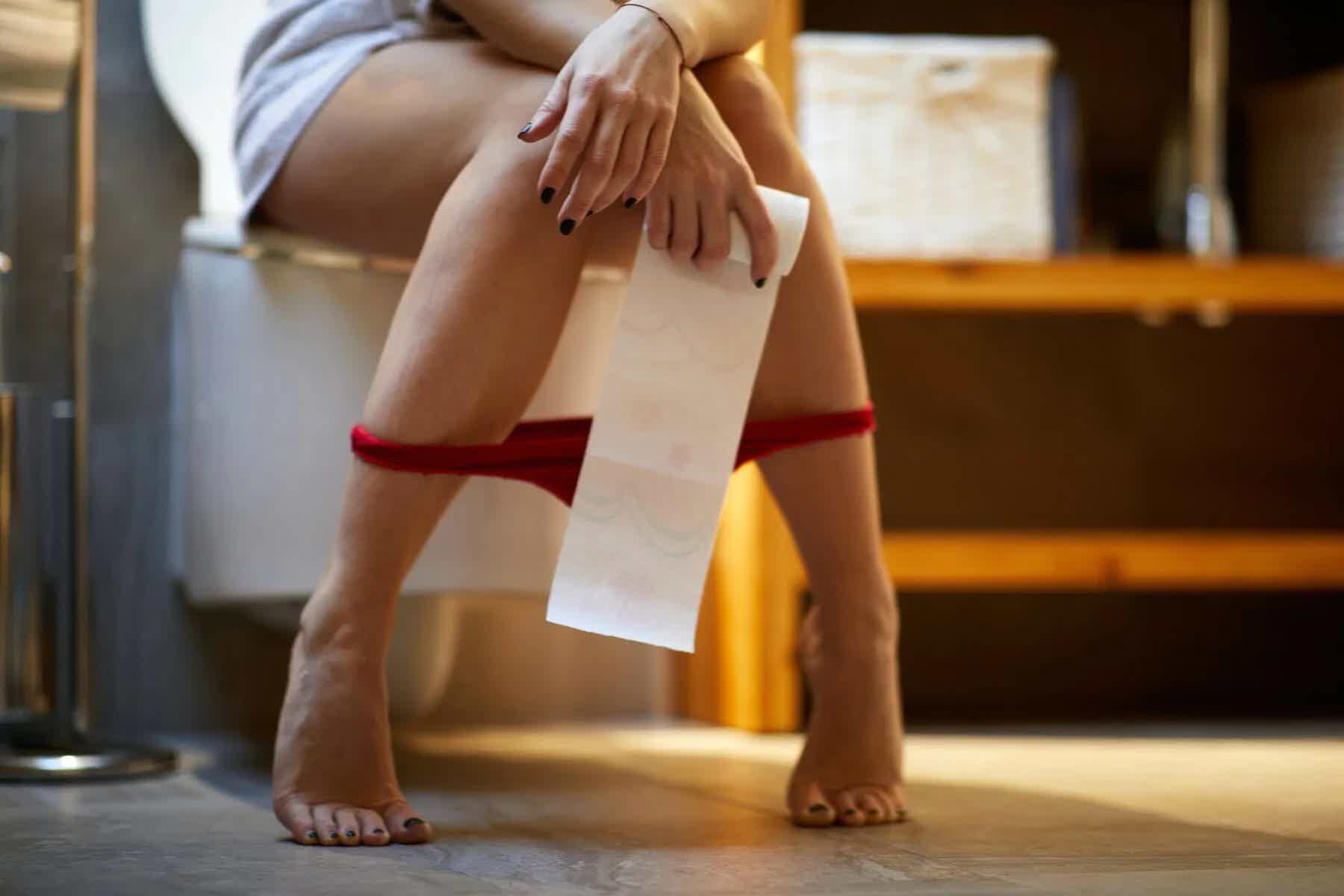
The trademark symptom of microscopic colitis is chronic, watery, non-bloody diarrhea. This symptom can become severe and persistent, often occurring multiple times a day and even during the night.
Other common symptoms include:
- Abdominal pain or cramping;
- Urgency to have a bowel movement;
- Fecal incontinence;
- Fatigue;
- Weight loss [3]
These symptoms can significantly impact your well-being and quality of life, leading to social withdrawal, anxiety, and nutritional deficiencies if left untreated.
How Microscopic Colitis is diagnosed
Diagnosing microscopic colitis can be complex as it involves several steps. The first one is for a healthcare provider to review the patient’s medical history and perform a physical examination. Your physician will likely order bloodwork to rule out infections or other inflammatory conditions.
The next step is a colonoscopy, which is typically performed to examine the colon. However, the colon might often appear normal in microscopic colitis, so biopsies are essential. Tissue samples are taken from various parts of the colon and examined under a microscope to identify the characteristic inflammation and cellular changes [1].
When to be concerned about Microscopic Colitis
Occasional digestive upsets are not an immediate cause for alarm. However, if you have certain symptoms, these should prompt you to visit a healthcare provider.
If you experience some or all of the below, then it’s best to check with your physician:
- Diarrhea lasting more than a few days;
- Diarrhea that disrupts sleep or daily activities;
- Unexplained and unintentional weight loss;
- Signs of dehydration (e.g., dizziness, dry mouth, reduced urination);
- Blood in the stool (though rare in microscopic colitis);
- Fatigue or signs of malnutrition.
Early diagnosis is crucial not only for symptom relief but also to prevent complications such as dehydration, electrolyte imbalances, and reduced nutrient absorption [3].
Treatment of Microscopic Colitis
Treatment for microscopic colitis typically involves a combination of traditional medicine and therapies in combination with lifestyle or naturopathic approaches. The goal is to reduce inflammation, manage symptoms, and improve quality of life.
Traditional Treatments
Conventional medical treatment often begins with medications to provide immediate relief and treat diarrhea, such as loperamide. If symptoms persist, doctors may prescribe budesonide, a corticosteroid to target inflammation in the colon with fewer systemic side effects than other steroids.
Other medications that may be prescribed for microscopic colitis include:
- Bismuth subsalicylate (e.g., Pepto-Bismol);
- Cholestyramine, a bile acid binder;
Use of immunosuppressants in cases that are either severe or resistant to standard medication.
It also makes sense to review your current medications, as certain drugs, such as NSAIDs, proton pump inhibitors (PPIs), and selective serotonin reuptake inhibitors (SSRIs), have been known to trigger or worsen microscopic colitis [3].
Naturopathic approaches to Microscopic Colitis
For those seeking a more holistic path, naturopathic strategies can complement traditional treatments.
These include:
- Dietary Adjustments: An elimination diet can help identify food sensitivities that may trigger symptoms. Common culprits include gluten, dairy, caffeine, and artificial sweeteners. During flare-ups, a low-fat, low-fiber diet may be recommended to reduce bowel irritation.
- Probiotics: These beneficial bacteria can help restore balance to the gut microbiome, which may be disrupted in microscopic colitis. Commonly used strains are Lactobacillus and Bifidobacterium.
- Herbal Remedies: Natural anti-inflammatories like turmeric (curcumin), slippery elm, and marshmallow root may soothe the digestive tract. However, these should only be used under the guidance of a qualified practitioner to avoid interactions with medications.
- Stress Management: Chronic stress can exacerbate gastrointestinal symptoms. Techniques such as yoga, meditation, deep breathing, and cognitive behavioral therapy (CBT) can be effective in managing stress-related flare-ups.
- Smoking cessation: Tobacco is a well-known risk factor for microscopic colitis and can worsen symptoms. Quitting smoking is a critical step in long-term management [3].
Misconceptions about Microscopic Colitis
Despite growing awareness, several misconceptions about microscopic colitis can still be found:
Myth 1: Microscopic Colitis is a rare condition
Microscopic colitis is likely underdiagnosed because it requires a biopsy to confirm the condition. Many cases are missed when only a visual colonoscopy is performed [1].
Myth 2: Microscopic Colitis only affects older adults.
While it is more common in the over-50, microscopic colitis can occur at any age, including in younger adults [2].
Myth 3: Microscopic Colitis is not serious.
Although not life-threatening per se, the condition can severely impact quality of life. Chronic diarrhea can lead to social isolation, anxiety, and nutritional deficiencies if not properly managed.
Myth 4: There’s no effective treatments for Microscopic Colitis.
Both conventional and naturopathic treatments can be highly effective in managing symptoms and achieving remission.
Frequently Asked Questions about Microscopic Colitis
1. What are the first signs of microscopic colitis?
The primary sign is chronic, watery diarrhea that occurs multiple times daily - the telltale sign is usually when diarrhea also occurs at night. Other early symptoms include abdominal cramping, urgent need for bowel movements, fatigue and unintentional weight loss. Unlike other digestive conditions, the diarrhea is typically non-bloody. If diarrhea persists for more than a few days or disrupts your daily life, consult a healthcare provider for proper evaluation.
2. How do doctors test for microscopic colitis?
Diagnosis requires a colonoscopy with tissue biopsies. While your colon may appear completely normal during the visual examination, microscopic colitis can only be detected by analyzing tissue samples under a microscope. This reveals characteristic inflammation and cellular changes. Blood tests may also be ordered to rule out infections or other inflammatory conditions before proceeding with colonoscopy.
3. Can microscopic colitis be cured?
While there's no permanent cure, microscopic colitis is highly manageable. Most people achieve symptom control and remission through medications like budesonide, dietary modifications, probiotics, and lifestyle changes. Treatment focuses on reducing inflammation and managing diarrhea. With proper medical care combining conventional and naturopathic approaches, most individuals can maintain an active, normal quality of life with minimal disruptions.
The Bottom Line on Microscopic Colitis
Microscopic colitis is a chronic but manageable condition that often goes undiagnosed due to its subtle presentation. It affects thousands of individuals, particularly women and older adults, and can significantly diminish the quality of daily life through persistent diarrhea and related symptoms.
The good news is that with proper diagnosis and a comprehensive treatment plan, involving both medical and natural approaches, most people can achieve symptom control and lead a full, active, and happy life.
If you or someone you know is struggling with unexplained digestive symptoms, don’t think twice before you seek medical advice. A simple biopsy could be the key to unlocking a diagnosis and starting the journey toward healing.
Do you think you have microscopic colitis? Set up a free 15-minute discovery call with Dr. Wool today!

About the Author
Dr. Dan Wool, NMD
Dr. Dan Wool is a naturopathic doctor who specializes in gastroenterology, hormones and men's health in Scottsdale, Arizona. Set up a free 15-minute discovery call with Dr. Wool today!
References:
Related Posts

What you need to know about a Hiatal Hernia
Understand hiatal hernia symptoms, practical relief strategies, and warning signs that need urgent care.
Bismuth's Role in Gut Health and Biofilm Disruption
Bismuth

Barrett's Esophagus: Causes, Symptoms, Treatments, and When to Seek Medical Help
Barrett’s esophagus is a reflux-related change in the esophageal lining. Learn the causes, warning signs, treatment options, and when to seek care.