
What Are Liver Enzymes (ALT, AST, Alkaline Phosphatase)? And When Should You Be Concerned?
Medically reviewed by Dr. Dan Wool, NMD
Arizona-licensed Naturopathic Physician and Gastroenterology Specialist
Updated: November 11, 2025
Summary:
- Understanding Key Liver Enzymes and Normal Ranges: ALT (Alanine Transaminase) is most specific for liver cell injury with normal ranges up to 40 U/L for men and 30 U/L for women, rising first with liver damage. AST (Aspartate Transaminase) found in liver, heart, muscles, kidneys, and brain is less liver-specific with same normal ranges; AST/ALT ratio >2:1 suggests alcoholic liver disease while ALT>AST indicates non-alcoholic conditions like MASLD. ALP (Alkaline Phosphatase) ranges 44-147 IU/L, indicating bile duct obstruction or bone disorders.
- Common Causes of Elevated Liver Enzymes: Non-Alcoholic Fatty Liver Disease (MASLD/MASH, formerly NAFLD/NASH) linked to obesity, insulin resistance, and metabolic syndrome shows elevated ALT. Alcoholic liver disease from long-term alcohol consumption shows AST>ALT ratio. Viral hepatitis (Hep B, C) causes chronic inflammation, while medications including acetaminophen, statins, antibiotics, and herbal supplements like kava can cause liver toxicity. Autoimmune hepatitis, genetic conditions (hemochromatosis, Wilson's disease), celiac disease, thyroid disorders, and intense exercise also elevate enzymes.
- When to Seek Medical Attention for Liver Enzymes: Consult healthcare provider if enzyme levels exceed 2-3 times upper normal limit, elevations persist beyond few weeks, or symptoms include fatigue, jaundice, abdominal pain, or dark urine appear. Risk factors like alcohol use, obesity, diabetes, or family liver disease history warrant investigation. Repeat testing confirms results since blood is dynamic and lab errors occur. Advanced evaluation may include liver function tests (GGT, FIB-4), ultrasound, MRI imaging, or liver biopsy.
- Natural and Lifestyle Management for Liver Health: Implement anti-inflammatory diet rich in vegetables, fruits, and healthy fats while eliminating alcohol and processed foods. Milk thistle (silymarin) shows promise supporting liver function under healthcare provider supervision. Regular exercise improves circulation and reduces liver fat accumulation, weight management prevents MASLD progression. Low ALP often indicates protein, magnesium, or zinc deficiencies easily addressed through naturopathic approaches. Monitor regularly to track progress and ensure optimal liver wellness through collaborative integrative care.
When you get your routine blood work results back and see liver enzymes like ALT, AST, or ALP flagged as elevated, it can be alarming, especially if you feel perfectly healthy. These simple markers are one area where well-intentioned doctors can often scare patients But what do these enzymes mean, and when should you really be concerned?
This article will explain liver enzymes, what elevated levels might indicate, and how to interpret them in the context of overall health. While this information is grounded in conventional medicine, it’s also relevant for those exploring integrative or naturopathic approaches to the liver and its role in overall health.
The Liver
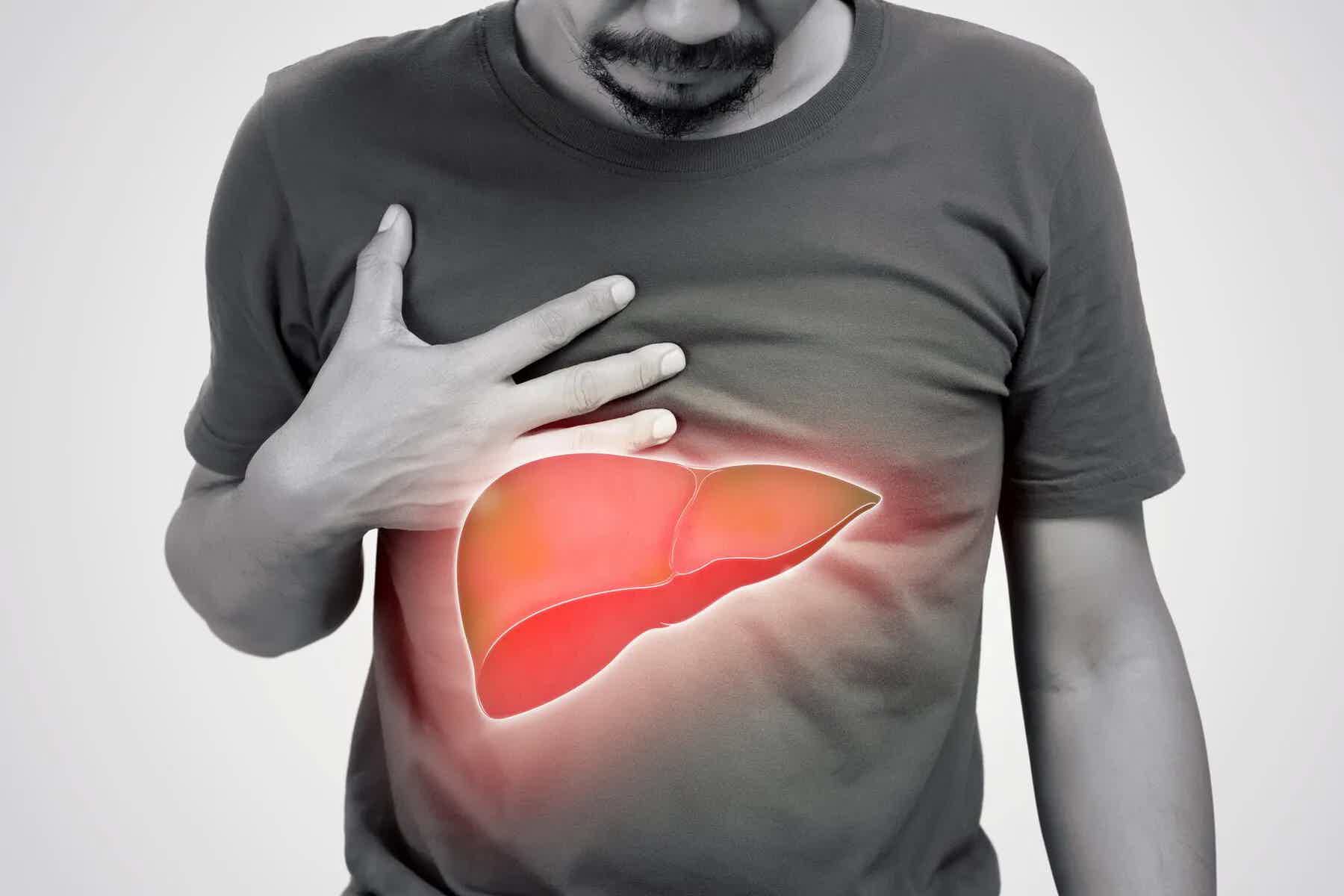
First, let's take a minute to appreciate the liver. It is the largest solid organ in the body. It literally does everything. It is highly resilient -- and it can even regenerate! Located in the upper right quadrant of the abdomen, its main job is to remove toxins from the blood, maintain healthy glucose levels, regulate blood clotting and perform hundreds of other vital functions.
Because all of your blood filters through the liver, it's like a combination or the Amazon.com distribution center and the town dump: lots of big trucks pull up every day and drop stuff off, it gets processed and sorted; then when your brain and body make an order, seemingly random things are quickly retrieved, packed and delivered (or in the c case of toxins, disposed of)
It's also important to note that the liver plays a central role in the axis of metabolic and digestive health that includes the stomach, pancreas, gall bladder and small intestine. It is also critical in the axis of circulatory health that includes the heart, lungs and kidneys. In either axis, it is the one tire on the car that can slowly deflate and kick off a host of other negative effects. Fortunately we have an easy way to keep track -- liver enzymes.
What Are Liver Enzymes?
Liver enzymes are proteins that prompt chemical reactions in the liver that areessential for detoxifying the blood, metabolizing nutrients, producing bile, and breaking down medications and toxins. When liver cells are damaged or inflamed, liver enzymes can leak into the bloodstream, which is detected as elevated levels in blood tests.[1]
The three most commonly measured liver enzymes are:
- ALT (Alanine Transaminase)
- AST (Aspartate Transaminase)
- ALP (Alkaline Phosphatase)
Each enzyme provides different clues about liver and overall health. Elevated levels may indicate liver inflammation, bile duct obstruction, or even issues outside the liver, such as bone disease or muscle injury.
What is ALT (Alanine Transaminase)?
Alanine transaminase (ALT), also known as alanine aminotransferase, is found mainly in liver cells and is the most specific marker for liver cell injury. When liver cells are irritated or damaged, due to infection, toxins, or metabolic stress, ALT leaks into the bloodstream [2]. The normal ALT range for men is up to 40 U/L and for women, up to 30 U/L.
ALT levels are important as it is often the first enzyme to rise in the blood due to liver damage. It’s especially useful in detecting early stages of liver disease, even before symptoms appear.
What can high ALT levels indicate?
- Non-alcoholic fatty liver disease (NAFLD) or the new term - Metabolic dysfunction-associated steatotic liver disease (MASLD)- often linked to obesity, insulin resistance, and high cholesterol;
- Hepatitis - literally inflammation of the liver - can be both viral (Hepatitis A, B, C) and autoimmune forms;
- Alcohol-related liver damage, especially when combined with high AST levels;
- Medication-induced liver injury from drugs such as acetaminophen, statins, or certain antibiotics [3].
When to be concerned about high ALT levels
If your ALT levels are persistently elevated or more than 2–3 times the normal range, you should investigate further. In addition, if you also have symptoms like fatigue, jaundice, or (right upper quadrant) abdominal or back pain, it’s important to consult a healthcare provider. For example, if someone with obesity and pre-diabetes has mildly elevated ALT levels during a routine check-up, they might feel fine but later on be diagnosed with early-stage MASLD (formerly NAFLD). With dietary changes, weight loss, and exercise, ALT levels can normalize within six months. High doses of certain medications, such as acetaminophen (brand: Tylenol) for chronic pain relief, can also cause ALT levels to rise. For regular drinkers, alcohol consumption is critical to address.
What is AST (Aspartate Transaminase)?
ASAT (Aspartate Aminotransferase) and AST (Aspartate Transaminase) both refer to the same enzyme that is found in the liver, but also the heart, muscles, kidneys, and brain. This makes it less specific to liver damage than ALT. However, if your results show an elevation in both AST and ALT, this might be an indication of liver-related issues [4]. The normal range of AST for men is up to 40 U/L, and for women, up to 30 U/L. The ratio of AST/ALT is also important and can be an indicator of the type of liver condition you might have.
The AST/ALT Ratio: a good "rule of thumb"
- AST > ALT (especially >2:1) might indicate alcoholic liver disease;
- ALT > AST is more typical of non-alcoholic liver conditions like MASLD.
Other conditions that might cause elevated AST are strenuous exercise, muscle injury, heart attack, medication or toxins, or hemolysis (breakdown of red blood cells).
When to be concerned about High AST levels
If your blood tests show an elevated AST without a corresponding rise in ALT, your provider may look for non-liver causes. However, if both are elevated, especially with symptoms or risk factors, further testing should be done. For example, if a patient with a history of alcohol use presents with fatigue and abdominal discomfort and their AST is 120 U/L, and ALT is 45 U/L, giving an AST/ALT ratio >2:1, this pattern strongly suggests alcoholic liver disease. However, if an athlete has elevated AST after a marathon race, and further testing shows normal ALT and no liver symptoms, the elevation could’ve been due to muscle breakdown from intense exercise, not liver damage.
ALP (Alkaline Phosphatase)
ALP is found in the liver, bones, kidneys, and bile ducts. It is important for breaking down proteins and especially in bone growth and bile flow. Elevated ALP levels can indicate bile duct obstruction or bone disorders [5]. The normal range for adults is between 44 to 147 IU/L, and it can vary per lab.
ALP is important as high levels of it can point to cholestasis, a condition where bile flow is reduced or blocked. This can be caused by several factors, such as gallstones, bile duct tumors or strictures, primary biliary cholangitis (PBC), or primary sclerosing cholangitis (PSC). There can also be non-liver-related causes of elevated ALP, like bone growth (in children or healing fractures), Paget’s bone disease, bone metastases from cancer, or pregnancy (due to placental ALP).
Spotlight: High ALP and menopause
I commonly see ALP elevated in early stage menopausal women. When the body significantly reduces its estrogen production, the bones lose a key signal telling them to hold onto matrix, so it leaves faster -- and we'll see ALP rise. It's not permanent but gives us an opportunity to look at the bigger picture and address it sooner.
When to be concerned about High ALP Levels
When ALP levels are higher and accompanied by elevation in other liver enzymes like GGT (gamma-glutamyl transferase), it suggests a liver or bile duct issue. If only ALP is elevated, bone-related causes might be the issue.
Should you be concerned about Low ALP?
While high liver enzymes tend to cause themes concern with patients, I often will see low ALP flagged on labs -- this doesn't get a lot of attention from other practitioners. We generally see low ALP with certain deficiencies, especially low dietary protein and/or inadequate mineral consumption such magnesium and zinc -- all easily addressable with a naturopathic approach.
When should you do something about elevated Liver Enzymes?
Elevated liver enzymes are not a diagnosis, they are a signal that shouldn’t be ignored. Mild elevations may be temporary and benign, especially if you’ve recently taken medications, exercised intensely, or had a viral illness. However, persistent or significantly elevated levels warrant further investigation [6].
You should be concerned if:
- Enzyme levels are more than 2–3 times the upper limit of normal
- Elevations persist for more than a few weeks
- You have symptoms like fatigue, jaundice, abdominal pain, or dark urine
- You have risk factors like alcohol use, obesity, diabetes, or a family history of liver disease
Common Causes of Elevated Liver Enzymes
There are several reasons why liver enzymes might be elevated, and understanding the underlying cause is key to addressing the issue effectively.
One of the most common causes is Non-Alcoholic Fatty Liver Disease, now referred to as Metabolic dysfunction-associated steatotic liver disease (MASLD) and its more severe form, MASH (steatohepatitis). These conditions, previously known as NAFLD and NASH, are closely linked to insulin resistance, obesity, and metabolic syndrome[7]. They often develop asymptomatically but can be discovered during routine blood tests, showing elevated ALT levels.
Alcoholic Liver Disease is another major cause of elevated liver enzyme levels. Long-term alcohol consumption can damage liver cells, leading to increased AST and ALT levels, with a ratio that often shows much higher 2:1 ASTs compared to ALTs. If left untreated, this condition can progress to cirrhosis, a serious and potentially life-threatening stage of liver damage.
Viral Hepatitis, particularly types ("Hep") B and C, can also cause liver inflammation and elevated enzymes. These infections may go unnoticed for years but can lead to chronic liver disease if not diagnosed and treated early. Hepatitis A is usually acute and resolves on its own, but B and C require medical attention due to their long-term risks [8].
Certain medications and supplements can also affect liver enzyme levels. High doses of acetaminophen (aka paracetamol), commonly used for pain relief, can be particularly harmful. Other medications like statins and some antibiotics, such as amoxicillin-clavulanate, may also contribute. Even natural remedies aren’t always safe—herbal supplements like kava, comfrey, and chaparral have been linked to liver toxicity [9].
In some cases, the cause is Autoimmune Hepatitis, a condition where the immune system mistakenly attacks liver cells. This leads to chronic inflammation and, if untreated, can result in significant liver damage over time.
There are also other less common causes, such as genetic conditions like Hemochromatosis, which causes iron to build up in the liver, and Wilson’s disease, where copper accumulates.
Additionally, conditions like celiac disease, thyroid disorders, and even intense physical activity can temporarily raise liver enzyme levels.
How Are Elevated Liver Enzymes Diagnosed and Managed
When liver enzymes are elevated, the first step is usually to repeat the test to confirm the result. Blood is dynamic and results can be transient and lab errors are not uncommon.
If levels remain high, your doctor may order liver function tests (such as GGT or FIB-4) and imaging, such as an ultrasound or MRI, to check for inflammation, fat buildup, or structural issues. In some cases, a liver biopsy may be needed [10].
The treatment will depend on the cause. Very often, lifestyle changes such as improving diet, exercising, and reducing alcohol can help. If medications or an underlying condition, such as hepatitis, are the cause, your physician will tailor your treatment accordingly. It’s important to monitor regularly so you can track progress and ensure your liver stays healthy.
Naturopathic approaches to elevated Liver Enzymes
Many naturopathic strategies align with conventional recommendations and can support liver health. Changing to an anti-inflammatory diet rich in vegetables, fruits, and healthy fats, significantly reducing or better avoiding alcohol and processed foods, will benefit your liver greatly. Herbs like milk thistle (silymarin) have shown promising results in supporting liver function, though more research is needed. (Always consult your healthcare provider before starting any supplements, especially if you have elevated liver enzymes). In addition, regular exercise will improve circulation and reduce fat accumulation in the liver, and weight management can also reduce the risk of MASLD.
Common Misconceptions about Liver Enzymes
Don't panic. Many people misunderstand what out-of-range liver enzyme levels indicate. Elevated enzymes don’t always mean liver disease, since they can rise temporarily due to exercise, medications, or even a recent meal.
Conversely, normal enzyme levels don’t guarantee a healthy liver, as serious conditions like early cirrhosis can still be present. It’s also important to know that not all enzyme elevations are equally concerning, and supplements, though natural, can sometimes harm the liver. Ultimately, liver enzyme tests are just a starting point and not a diagnosis on their own.
It is critical to put the numbers in context - taking a holistic approach and especially by examining symptoms and social history.
Frequently Asked Questions about Liver Enzymes
What does elevated ALT mean on my blood test?
ALT (alanine transaminase) is the most specific marker for liver cell injury. Elevated levels often indicate metabolic (formerly non-alcoholic) fatty liver disease (MASLD), hepatitis, alcohol-related damage, or medication-induced injury. Mildly elevated ALT may resolve with lifestyle changes like improved diet, weight loss, and exercise. If levels remain 2-3 times above normal or you experience fatigue or jaundice, consult your doctor.
How do I interpret AST and ALT levels together?
The AST/ALT ratio provides important clues about liver health. When AST is significantly higher than ALT (especially >2:1), it suggests alcoholic liver disease. When ALT exceeds AST, it typically indicates non-alcoholic conditions like MASLD. Both elevated together signal liver inflammation, while isolated AST elevation may reflect muscle injury or intense exercise rather than liver damage requiring integrative treatment.
Can natural approaches help lower elevated liver enzymes?
Absolutely - in fact (I'm biased) but it's often the best approach because it considers and addresses liver function, diet and lifestyle. Naturopathic strategies effectively support liver health alongside conventional care. An anti-inflammatory diet rich in vegetables and healthy fats, regular exercise, weight management, and eliminating alcohol can normalize enzyme levels. Milk thistle (silymarin) shows promise for liver support. Addressing nutritional deficiencies in zinc and magnesium can help low ALP levels. Always consult your healthcare provider before starting supplements.
The Bottom Line on Liver Enzymes
Liver enzymes like ALT, AST, and ALP are important indicators of liver and overall health. While mild elevations may not be cause for alarm, persistent or significant increases should prompt further evaluation. Understanding what these enzymes mean—and what can influence them—empowers you to take proactive steps toward liver wellness.
Whether you're working with a traditional physician or a naturopathic doctor, a collaborative approach that includes lifestyle, nutrition, and appropriate testing can help you maintain optimal liver health.

About the Author
Dr. Dan Wool, NMD
Dr. Dan Wool is a naturopathic doctor who specializes in gastroenterology, hormones and men's health in Scottsdale, Arizona. Set up a free 15-minute discovery call with Dr. Wool today!
References:
Related Posts

What you need to know about a Hiatal Hernia
Understand hiatal hernia symptoms, practical relief strategies, and warning signs that need urgent care.

Bismuth's Role in Gut Health and Biofilm Disruption
Bismuth

Barrett's Esophagus: Causes, Symptoms, Treatments, and When to Seek Medical Help
Barrett’s esophagus is a reflux-related change in the esophageal lining. Learn the causes, warning signs, treatment options, and when to seek care.