
Unlocking Better Digestion: Lessons from GLP-1 Weight Loss Drugs (No Prescription Required!)
Medically reviewed by: Dr. Dan Wool, NMD
Arizona-licensed Naturopathic Physician and Gastroenterology Specialist
Updated: September 26, 2026
Video transcript originally published: July 30, 2024
What GLP-1 medications (semaglutide, tirzepatide, etc) teach us about digestion
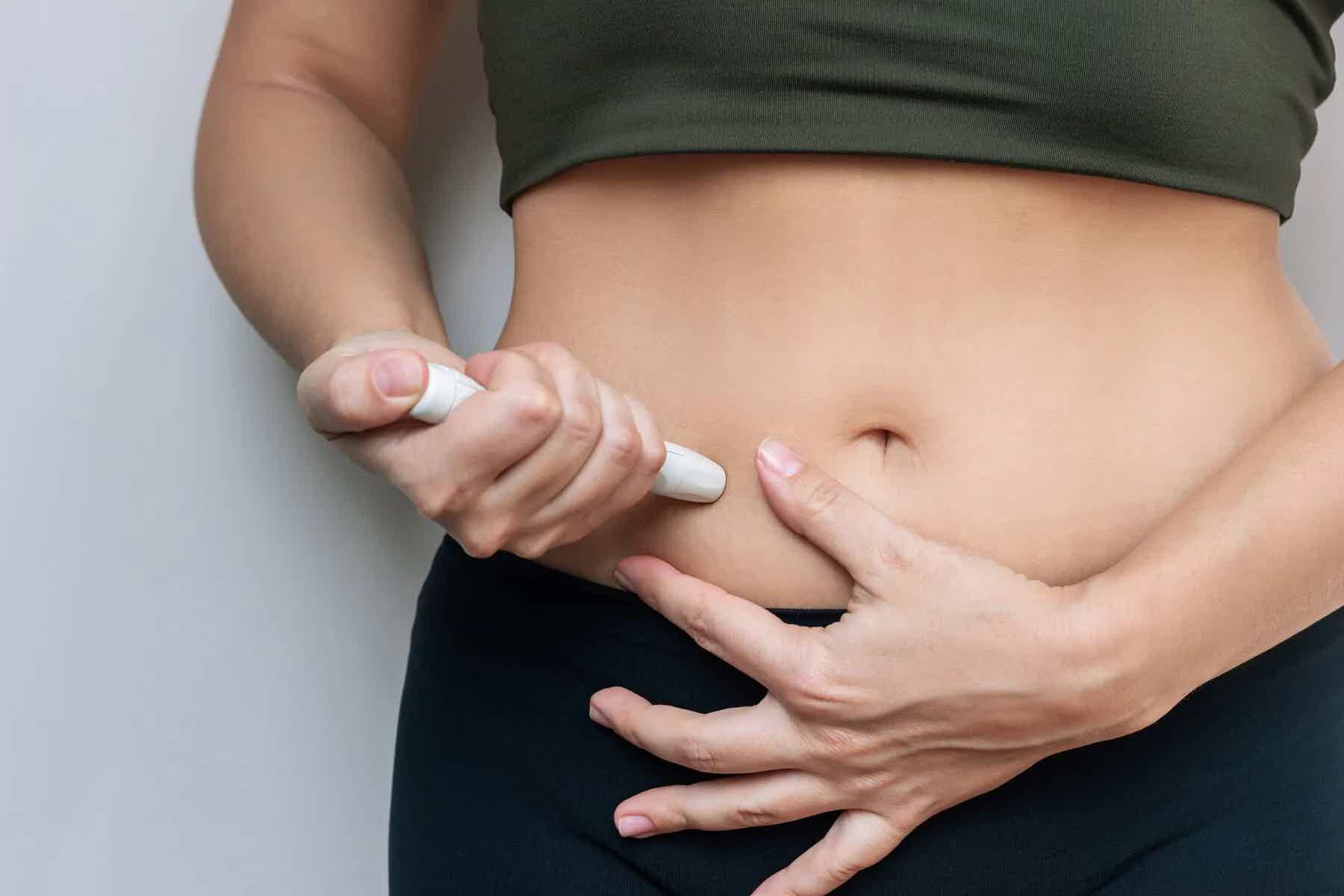
[video transcript] I'm getting asked a lot lately about these GLP-1 diabetes drugs that are being used off-label for weight loss. These are drugs with names like Tirzepatide, Semaglutide, brand names like Ozempic, Wegovy, Mounjaro.
They're usually dancing around on a commercial in between segments on CNN. Well, these are drugs that are being used off-label for weight loss for people who need to lose 20 pounds or more. They're a nice tool for that when it's incorporated into more of an overall plan.
But there are also things that we can learn from these drugs when it comes to digestion and healthy digestion. So let's talk about the six things GLP-1 drugs teach us about day-to-day good digestion.
1. Don't Wolf Down Your Food
The number one thing these drugs teach us is to slow down the absorption of food. That's the key right there: slow down. When we get hungry and we're in a hurry, we eat quickly. What that does is it forces digestion down low, when it should start digesting up high. We need to break food down in the mouth, and that means slowing down and chewing thoroughly.
2. Respect Your Swallowing Signals
What do I mean by this? Do this little experiment as a one-solution-a-day practice: If you just chew your food 20-30 times (especially a piece of protein), you will feel it "slime up" in your mouth. That's a swallow signal. That's the consistency of food that your body wants you to have before you swallow.
Again, digesting up here before we digest down here. If we skip that process, now we're hitting everything down low and expending a lot more energy digesting food. So respect that slimy swallowing signal. Just do the experiment one time; chew food 20 times, and you'll feel it slime up. That's the consistency. You will also get a little anxious after a few, and realize how fast you actually are going.
3. Respect Your Satiety Signals
The other signal that we have to respect is our fullness. There are certain processes in the body like peeing, pooping, and eating that we can actually override with our brains. We have a stop sign; the body says, "Hey, we've had enough. We're going to stop eating." Well, GLP-1 meds upregulate those signals; they make us feel full sooner.
So do the same: listen to your body when you're full. The solution is to stop eating. I know that sounds simple, but if you stop eating at that point, you will not be as bloated.
You will not feel as bad. You will not want to siesta after lunch if you just respect your existing signal to stop. A good way to do this is to actually physically push your plate away. (I think I just pushed the camera away there!)
And also, maybe if you're out at a restaurant, go ahead and box that up. That's a signal to your brain and your body like, "Hey, we're done here. We're going to have this meal another time."
4. Practice Portion Control
Number four: what these GLP-1 drugs do is upregulate that satiety signal, so people are pushing away their food a lot sooner. Well, we need to reduce that portion then by a half, or maybe by two-thirds. So eat smaller amounts. I would just say, when you're looking at food, particularly when you're out at a restaurant: 20% less.
And that's a good note on restaurants. Think about a restaurant owner, right? What do they want to do? They want you to come back. They want regular customers. How are they going to do it? They're going to overserve you. They're going to please you. How are they going to do that? Too much sugar, too much salt, and too big a portion. Think about the Cheesecake Factory - these massive three- and four-sized portions. And then what do we do when dessert comes around? It's the Cheesecake Factory, we want cheesecake, and we'll eat that too! (Sorry, Cheesecake Factory, not the best way to go there).
We want to control our portion. So again, lighten the load, and you'll lighten the load on your digestion. And that's going to reduce bloating quite a bit. So, 20% less. One way to do that: when things are on your fork, shovel a little bit off your fork, or shovel about half of what's on your fork off of the fork. Just scoot it off. I was doing this the other day; I was having some rice with a meal, I just kind of scooched it off, and that way you're eating a little bit less. It'll still be there when you get back, trust me.
5. Prioritize Protein
Number five thing that we can learn from GLP-1 agonist drugs about how we can digest better day-to-day or how to do a little bit better with our food intake is to prioritize protein.
Again, if we're reducing portion control, and particularly if you're an active person who's working out, you've got to put that protein back. You're working those muscles, you're breaking them down, you've got to put the protein back. The best way is to prioritize protein. And again, I'd go back to number one and number two: chew your food thoroughly.
The whole digestive system is optimized to digest protein. That's why we have so much stomach acid. We take big steaks and boil them down into little bitty bits of slime. Those get pulled apart for nutrients, and we need to get lots of protein in, and that's very important.
Now, if you're going to be full a lot quicker, protein is satiating. We want to get that in, and that should help to slow things down. Again, these drugs work by slowing the absorption of sugar. So if we're not eating as much sugars, if we're prioritizing that protein over maybe starchy carbs, fats, things like that, things tend to go a lot better for what our body needs.
6. Sensitize Your Body to Insulin
The other thing, number six, that we can do to help our digestion that we can learn from GLP-1 drugs is to sensitize our body to insulin. Insulin is a hormone. It is secreted in the pancreas, and it helps to grab glucose and shove it in your muscles, in your brain if you're in a "fight or flight" mode. It also helps get rid of too much glucose.
Most of the time for us in 2024, that "fight or flight" mode comes with us just sitting around. We're not running from anything. That stuff is not getting shoved anywhere, so we have too much insulin grabbing it and putting it down the right pipe to make sure there's not too much around.
Well, if we are doing too much sitting, if we are not sensitized to insulin, if we are courting metabolic syndrome and type two diabetes, and actually need these drugs for what they're designed, what can we do before that? To sensitize our bodies to insulin, and the solution there is to move more.
You've got to move around. It doesn't mean you have to go to the gym and lift 300 pounds. It means that you just have to be moving on a regular basis.
This is as easy as walking around the block. It's as easy as going for a little walk after you have a meal. You can even take meetings as a walking meeting. And then there is your kind of pre-programmed exercise that all helps too, particularly weightlifting.
So, move around a little bit more. This sensitizes your muscles and your receptors to insulin, and it makes for a slower and better absorption of glucose. The more you can sensitize it to insulin, the more the body can get rid of that excess glucose, the more it's not hanging around, developing fat and making you sluggish.
So that's it today. Those are the six things that GLP-1 drugs can teach us about optimizing digestion without even having to take the drugs themselves. Till next time, it's Dr. Wool. "Fix your gut, solve your health".
Oh...one more thing
🔔Don't forget to subscribe to my You Tube Channel for more updates!
https://www.youtube.com/@drdanwool/?sub_confirmation=1
Better Digestion Shouldn't Require a Prescription
Dr. Wool's Gut Repair Plan starts with extended visits, specialty testing conventional workups rarely include, and a treatment plan built around root cause rather than symptom management.
See if we're a fit → Book a 15-minute call with Dr. Wool. No cost, no obligation.
https://www.drdanwool.com/booking
Disclaimer:
The information provided on this page is for educational purposes only and is not intended as medical advice, diagnosis, or treatment. Dr. Dan Wool nor his affiliates do not make claims about the effectiveness of supplements, peptides, hormones or other therapies outside of the contexts supported by cited clinical evidence and regulatory approval. Always consult a qualified healthcare provider before starting, changing, or stopping any medical or wellness program.
About the Author
Dr. Dan Wool, NMD
Dr. Dan Wool, NMD is an Arizona-licensed naturopathic physician practicing naturopathic gastroenterology, hormone optimization, and men's health in Scottsdale. A member of GastroANP, he works with patients whose scopes came back normal but whose symptoms didn't go away, an experience he lived through himself before leaving a 20-year corporate career for medicine.

Related Posts

What you need to know about a Hiatal Hernia
Understand hiatal hernia symptoms, practical relief strategies, and warning signs that need urgent care.
Bismuth's Role in Gut Health and Biofilm Disruption
Bismuth

Barrett's Esophagus: Causes, Symptoms, Treatments, and When to Seek Medical Help
Barrett’s esophagus is a reflux-related change in the esophageal lining. Learn the causes, warning signs, treatment options, and when to seek care.